Carpet Handicrafts, Rugs & Floor Coverings Exports from India: Trade Horizon
A rug can be one of those things that changes a room without making a big statement about it. Put one beside a bed and the space feels warmer. Place one beneath a table and the furniture suddenly seems to belong together. In a shop, the right carpet can even make a display area feel more finished.
That makes these products interesting for businesses selling home furnishings and lifestyle goods.
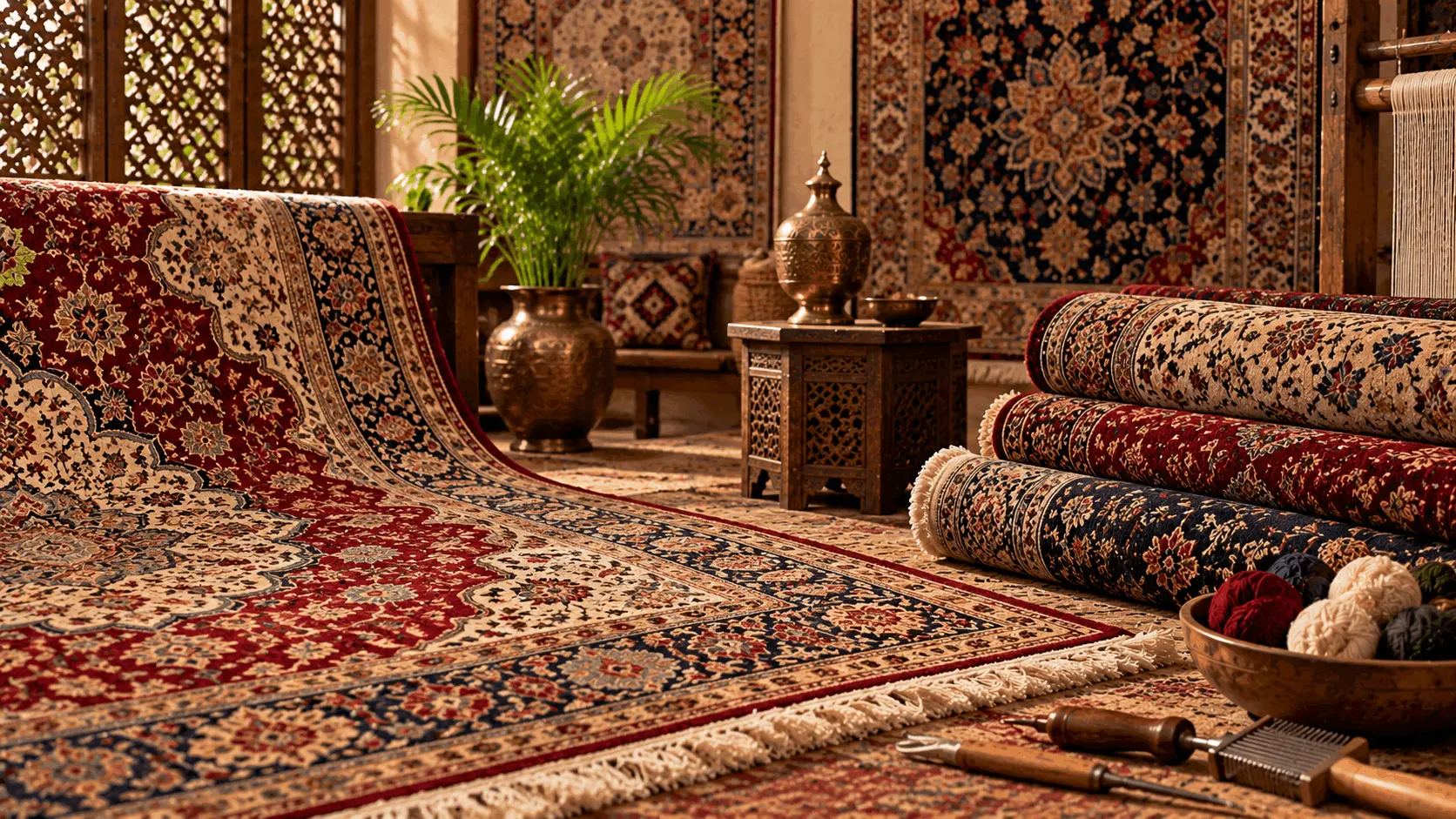
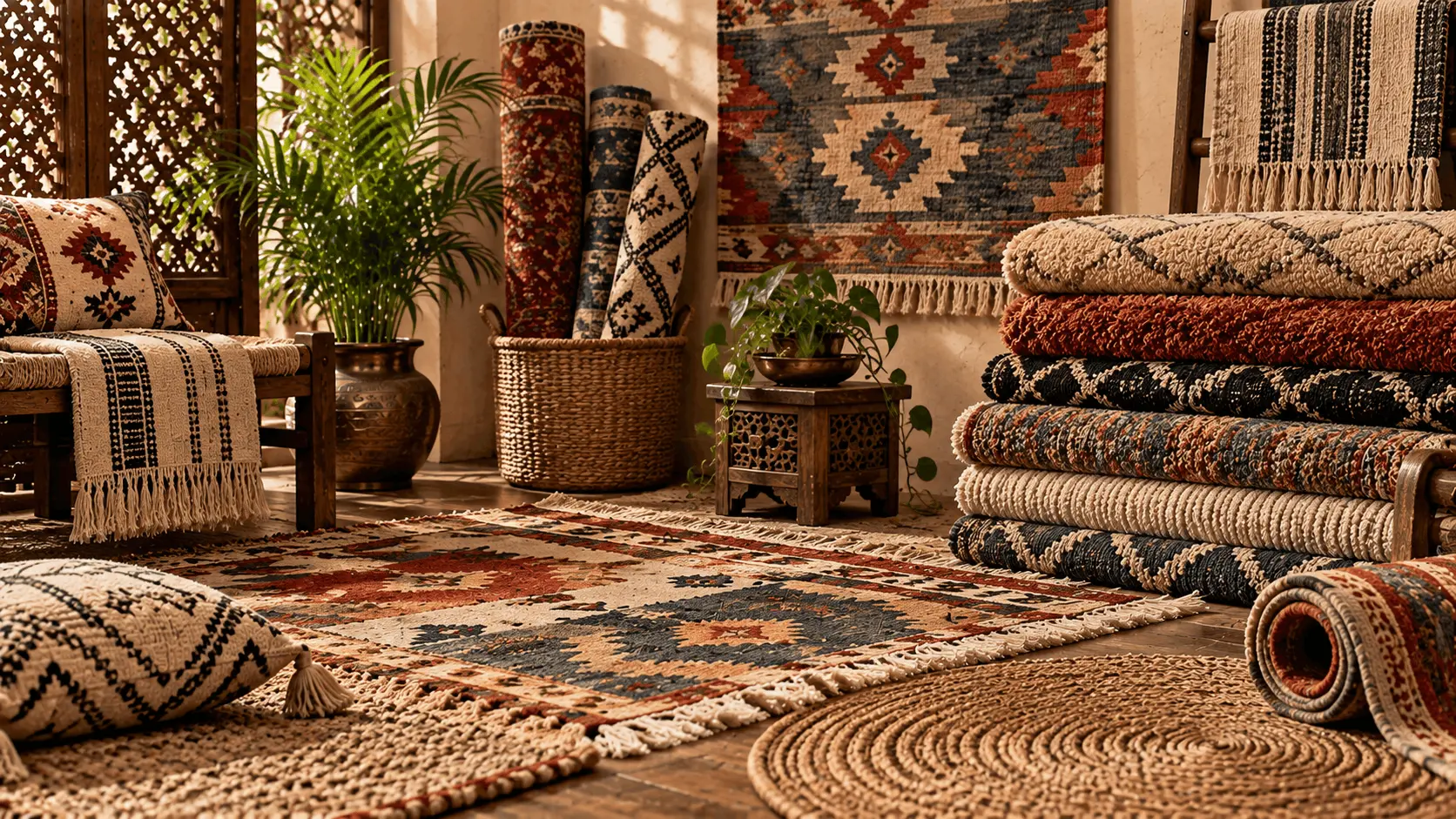
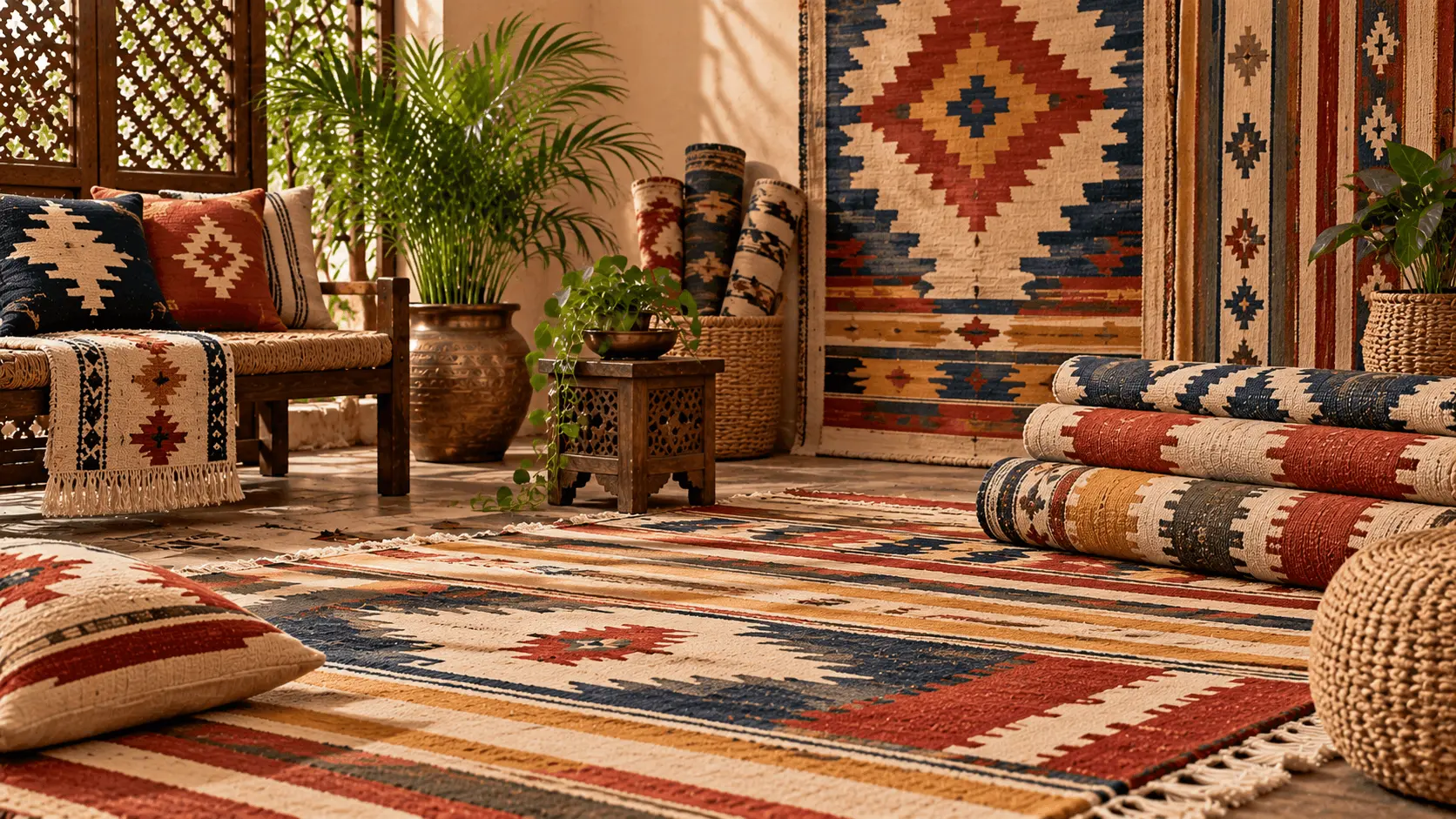
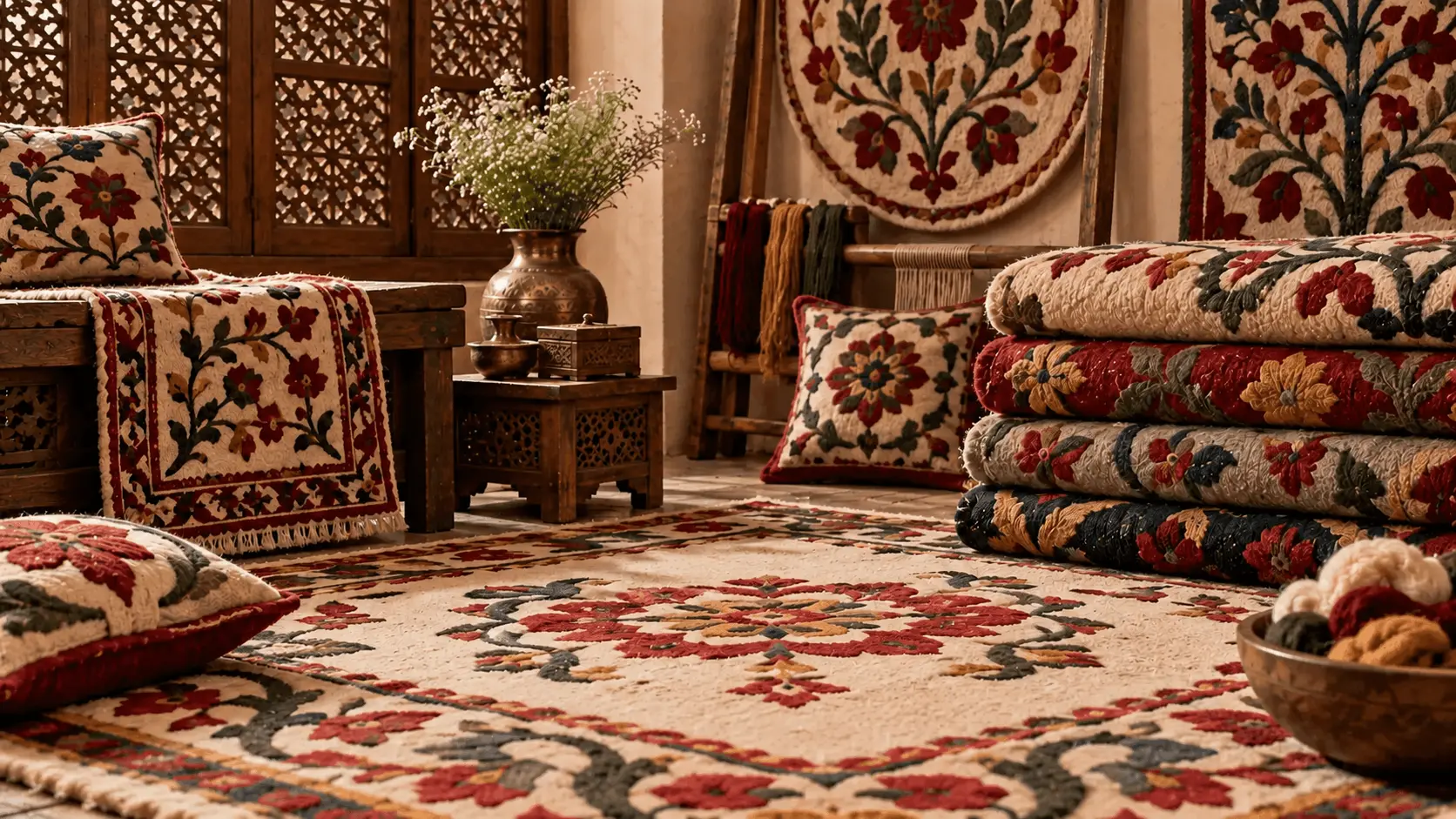
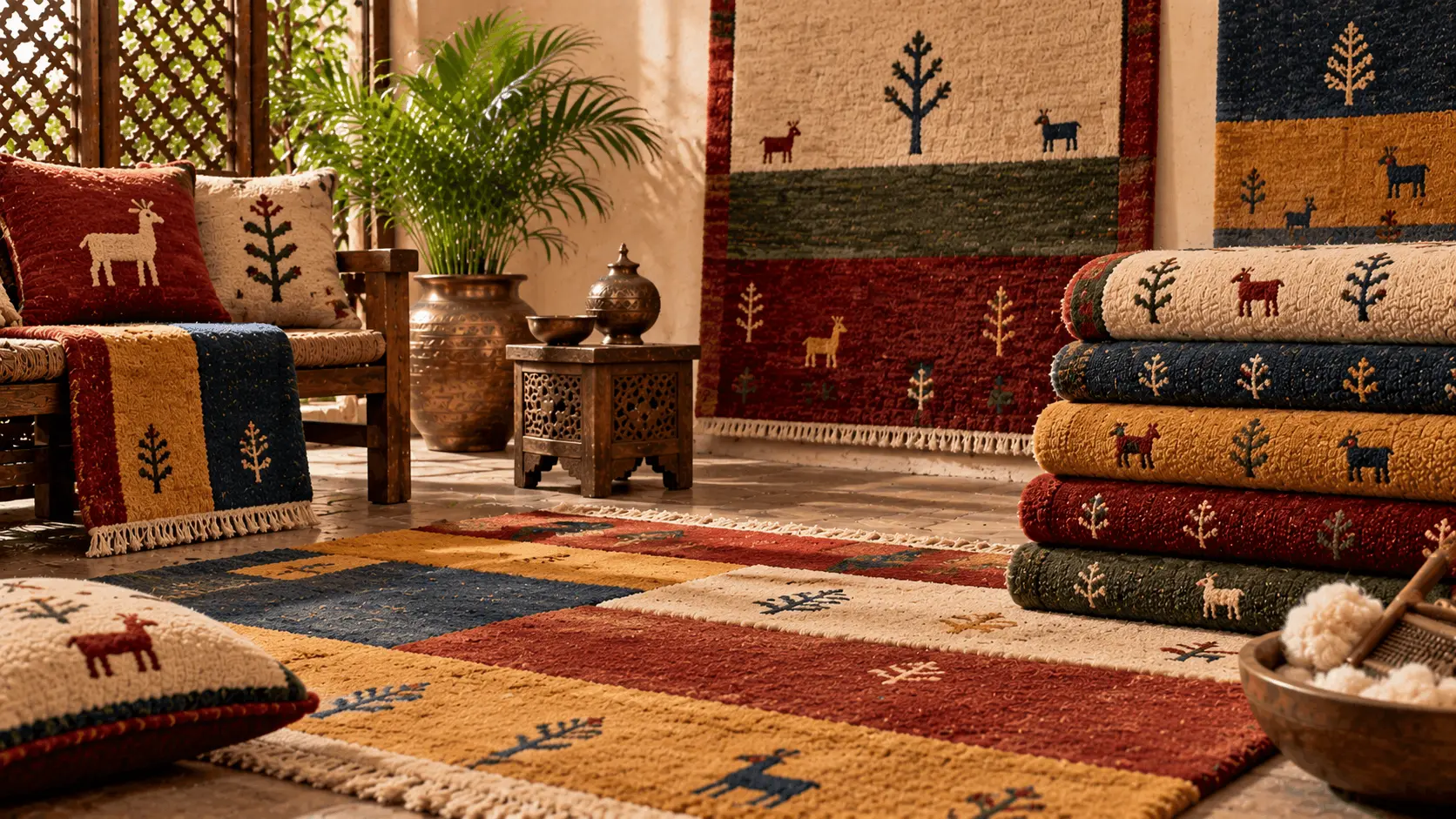
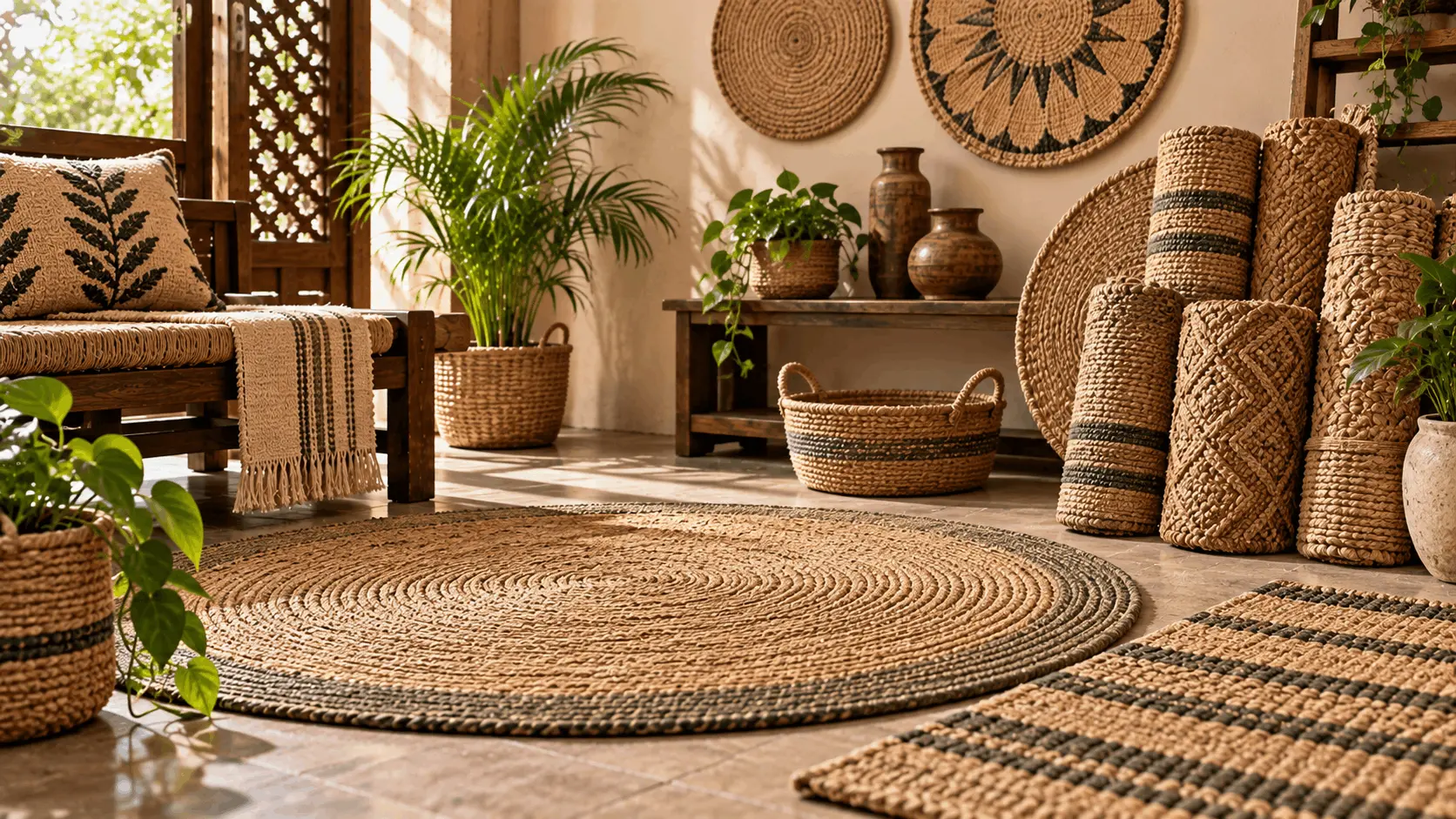
Indian carpet making has developed over generations, with different regions known for their own materials, patterns and methods of production. Some carpets are detailed and traditional. Others are much simpler in appearance. There are also rugs made from natural fibres that appeal to buyers looking for a more relaxed, understated look.
For an importer, this variety is useful because a collection does not have to be built around one particular style.
A Rug Has to Suit the Place
Before looking at patterns and colours, consider where the product will end up.
A small rug for a bedroom is likely to be chosen differently from a runner intended for a hallway. A hotel may need a large number of pieces that work together, while a home décor retailer may prefer a selection of different sizes so customers have more choice.
There is also the question of use.
Some floor coverings are mainly decorative. Others are expected to cope with regular foot traffic. If the product is going into a busy commercial space, construction and maintenance deserve more attention than they might for a decorative piece used in a private home.
Knowing this beforehand makes the buying conversation much more productive.
Carpet Handicrafts Exports from India
India has an established international trade in handmade carpets and related floor coverings. The category includes different constructions and materials, giving overseas buyers options beyond the traditional idea of a heavily patterned carpet.
This is reflected in the market for carpet handicrafts exports from India, where products are supplied to buyers with very different requirements.
One importer may be looking for premium pieces with detailed handwork. Another may need a simpler collection that can be sold through a larger retail network. Neither is necessarily looking for the same supplier or the same type of carpet.
The commercial purpose should come before the product selection.
Look at the Construction, Not Just the Picture
Photographs are useful, but they do not tell you everything about a carpet.
A hand knotted piece has a different construction from a woven rug. Tufted products have their own characteristics. The choice of fibre changes the feel again. Wool, cotton, jute and other materials can produce noticeably different results.
This is why buyers should ask questions about the product itself.
How was it made? What material has been used? How does it need to be maintained? Is the stated size exact or approximate? What sort of use is it intended for?
Those answers can be more valuable than another dozen photographs.
Finding Carpet Handicrafts Exporters in India
Someone searching for carpet handicrafts exporters in India may already have a clear specification. Perhaps there is a photograph of a rug that needs to be reproduced in another size. Perhaps the buyer has selected a material and wants to see suitable designs.
There is another type of enquiry too.
A retailer may simply know that it wants to introduce Indian rugs but has not decided what the range should contain. In that situation, describing the business and its customers can be more useful than sending a vague request for a catalogue.
The expected quantity matters as well. A supplier considered for a few pieces may not be the same supplier that makes sense for a regular wholesale programme.
Rugs Give Retailers Plenty of Choice
Rugs can occupy several price points within the same store.
A small decorative piece gives a customer an easier starting point. A larger hand crafted rug can sit at the premium end of the collection. Runners, bedside rugs and medium sized designs fill the space between them.
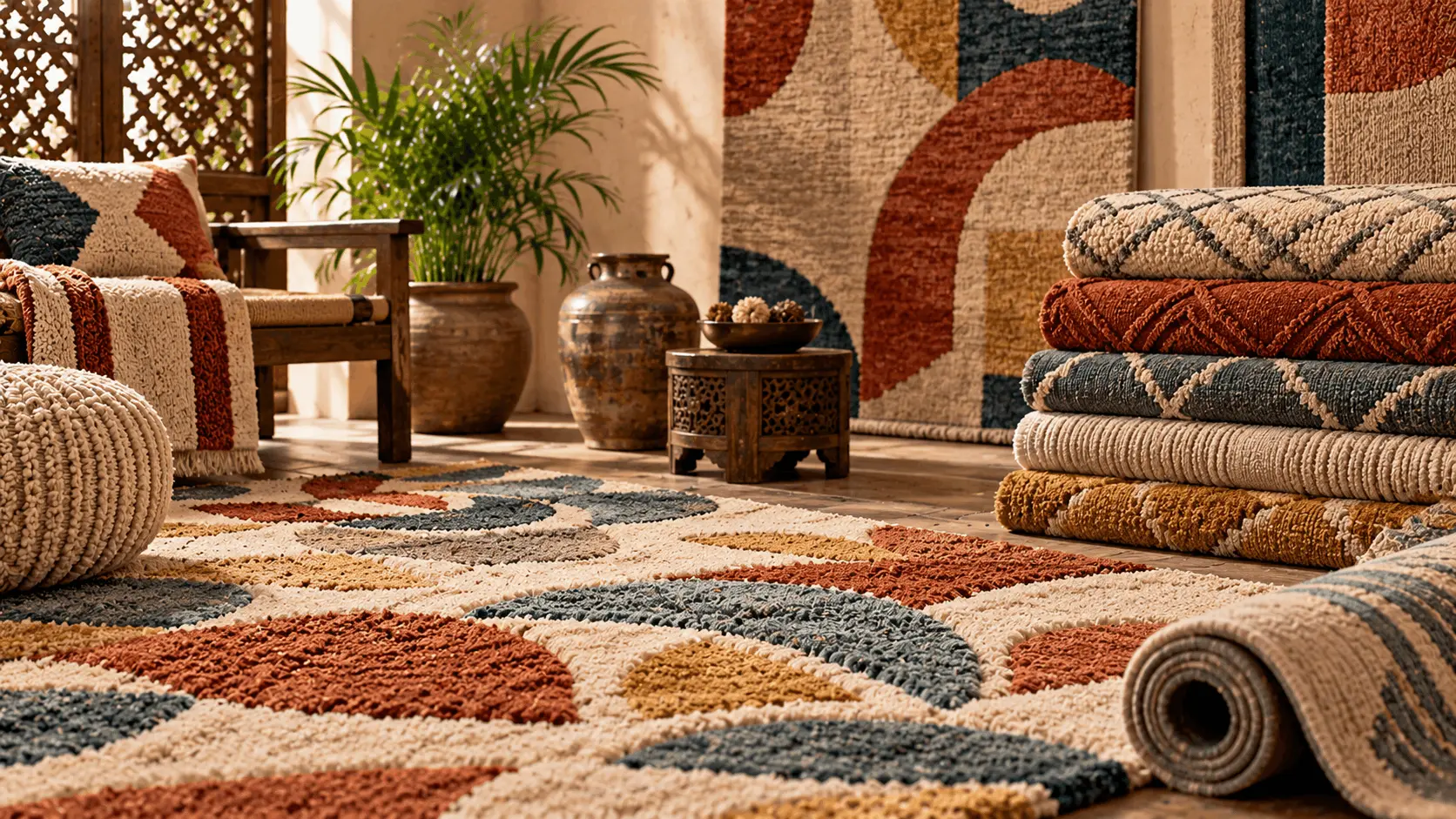
Patterns can be handled in much the same way. A retailer might combine traditional motifs with quieter designs so that the collection appeals to different tastes.
This flexibility is one reason rugs work well for businesses that regularly refresh their home décor selection.
Rugs Exports from India
The products represented by rugs exports from India are not limited to one visual style. Traditional designs remain relevant, but buyers can also look for cleaner patterns, natural textures and products suited to contemporary interiors.
For a wholesale buyer, appearance is only one part of the calculation.
A rug has a physical volume. Its weight affects handling. Its dimensions affect packing and freight. The material and construction affect the selling price. All of these should be considered before deciding whether a particular product belongs in the range.
A low purchase price does not automatically mean a low landed cost.
When the Order Becomes Large
The practical side of sourcing becomes much more important once quantities increase.
A hotel, property developer, distributor or large retailer may need hundreds of pieces rather than a handful. At that point, questions about production capacity, repeat orders and delivery schedules cannot really be avoided.
Colour matching can matter too, especially when several rugs are being used within the same interior.
Handmade products will naturally show some variation. Slight differences in texture or pattern are not unusual and may actually be part of their appeal. What matters is agreeing beforehand on what the buyer considers acceptable.
Floor Coverings Beyond the Home
Carpets and rugs are also useful in commercial interiors.
A restaurant can use them to distinguish one seating area from another. A hotel can use floor coverings to add warmth to guest rooms or common spaces. An interior designer may require a particular size or colour to complete a project.
In these situations, the product needs to be considered alongside the environment.
How much traffic will it receive? How often will it need cleaning? Does the size work with the furniture? Can the required quantity be supplied within the project schedule?
These are straightforward questions, but answering them early can prevent expensive mistakes later.
Floor Coverings Exports from India
The wider category of floor coverings exports from India gives overseas buyers room to explore handmade carpets, rugs and other textile based floor products. The right choice depends on the intended market, the customer, the budget and the practical conditions in which the product will be used.
A good collection does not have to contain the most complicated designs available. Sometimes a few well chosen products with sensible sizes, appealing colours and reliable construction make much more commercial sense.
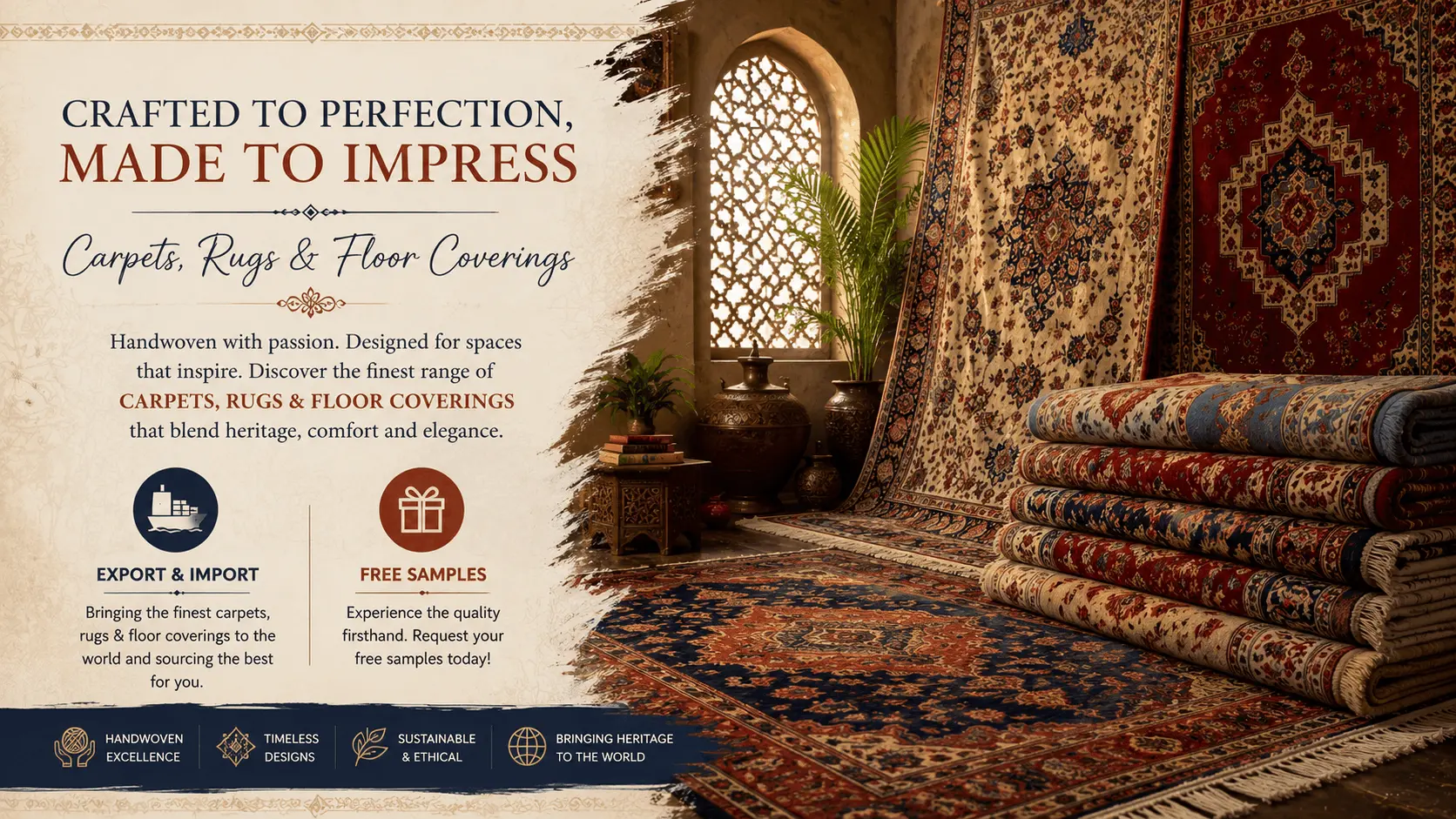
Trade Horizon helps international businesses explore carpets, rugs and floor coverings from India according to their product requirements, quantities and destination markets. Buyers can approach us with a photograph, an existing specification, a preferred material or an idea for a collection.
FAQs
What types of carpets and rugs can be sourced from India?
The range can include hand knotted carpets, woven rugs, tufted products and other handmade floor coverings. Depending on the supplier, materials may include wool, cotton, jute, coir and other fibres.
Are Indian carpets suitable for wholesale buyers?
Yes. Indian carpets and rugs can be sourced for retailers, wholesalers, distributors, hotels and interior projects. The suitable quantity and product type will depend on the particular supplier and requirement.
Can I order rugs in a particular size?
Custom sizing may be possible for certain products. It is best to provide the required measurements when making an enquiry so the supplier can determine whether the specification can be produced.
Can I see a sample before placing an order?
A sample can often be requested, depending on the product. This allows the buyer to examine the material, workmanship, colour, construction and finish before committing to a larger purchase.
What materials are commonly used in Indian rugs?
Wool and cotton are widely used, while jute, coir and other fibres can also be found in handmade floor coverings. The most suitable material depends on the intended appearance, use, construction and price range.
What should I consider when importing carpets from India?
Consider the product dimensions, material, construction, weight, packaging and expected freight cost. The final landed cost is more useful for commercial planning than the product price alone.
Can handmade rugs vary from one piece to another?
Yes. Small differences can occur in colour, texture, pattern placement and other details. Buyers should discuss the expected level of variation before production, particularly when ordering a large quantity.
How can I start sourcing carpets and rugs from India?
You can begin with a photograph, product specification, preferred material or required dimensions. If you are still deciding what to buy, describing your business, target customer and approximate quantity can help identify suitable sourcing possibilities.