Textile Handicrafts Exports from India | Textile Handicrafts Exporters: Trade Horizon
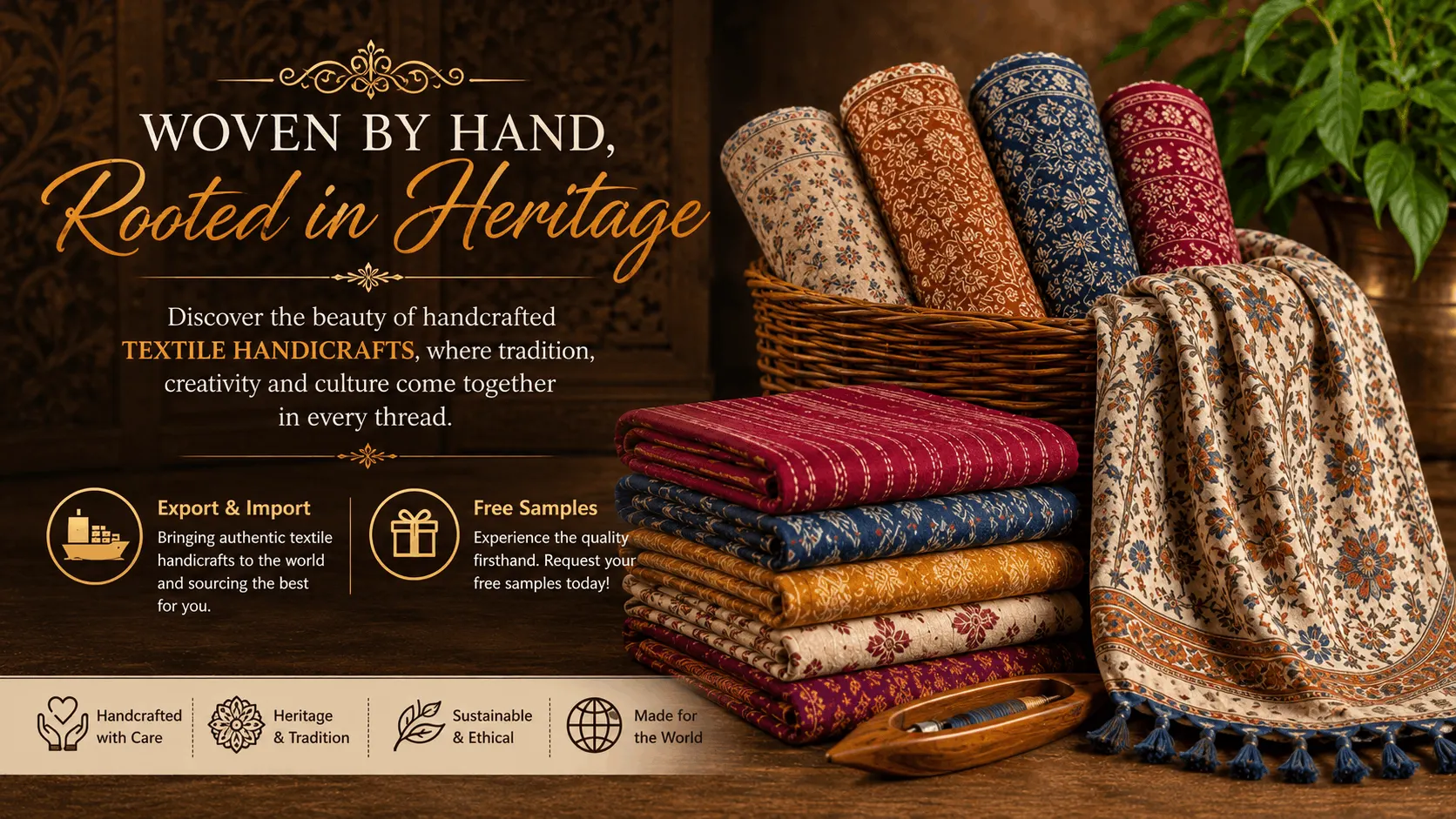
Walk into a shop selling home furnishings and textiles are usually among the first things you notice. Colour catches the eye. Texture makes people want to touch something. A pattern can make an otherwise plain display look considerably more interesting.
Handmade textiles bring another quality to the mix. Small variations in stitching, weaving, printing or embroidery can give a product a character that is difficult to reproduce with completely uniform manufacturing.
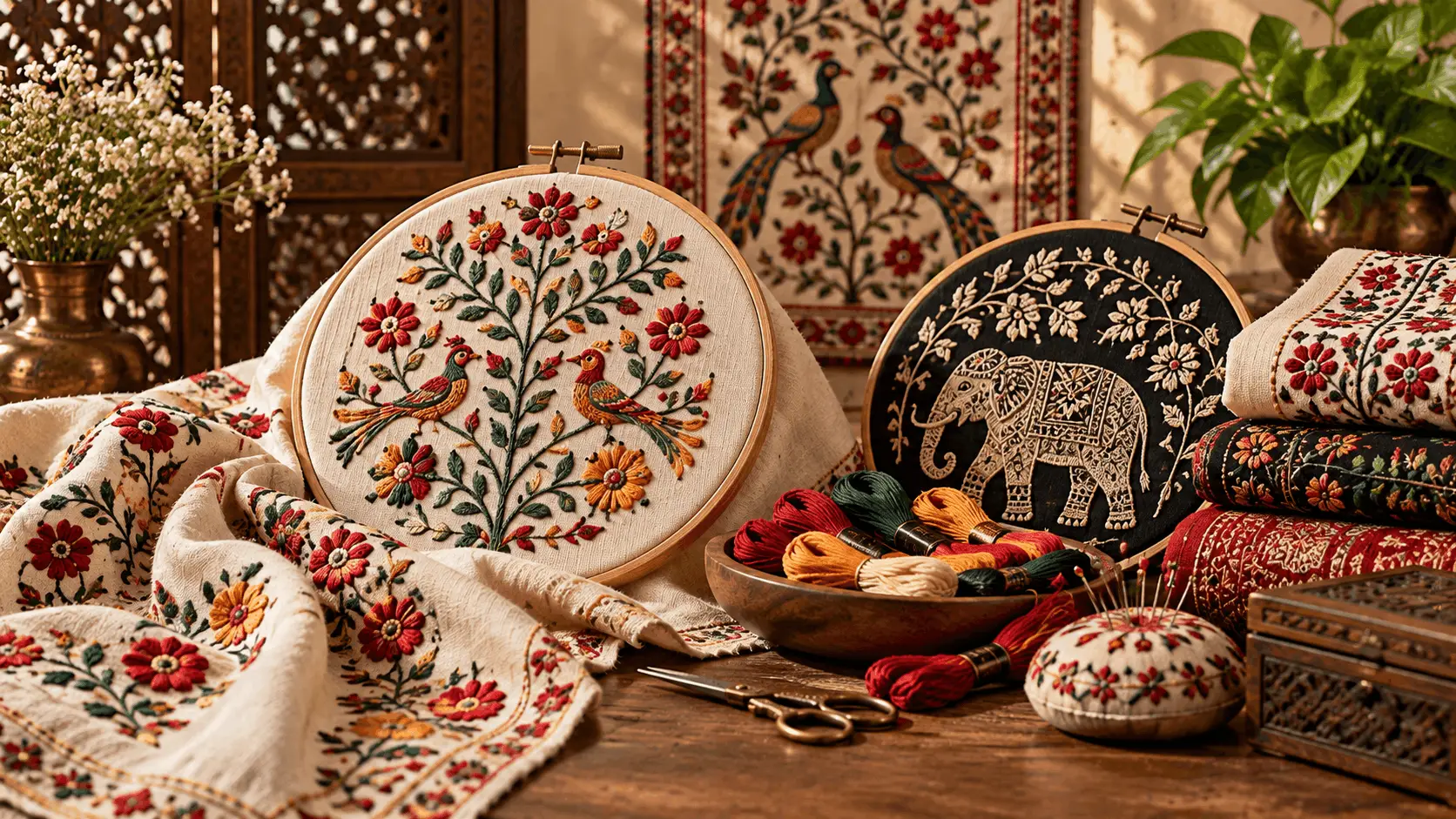
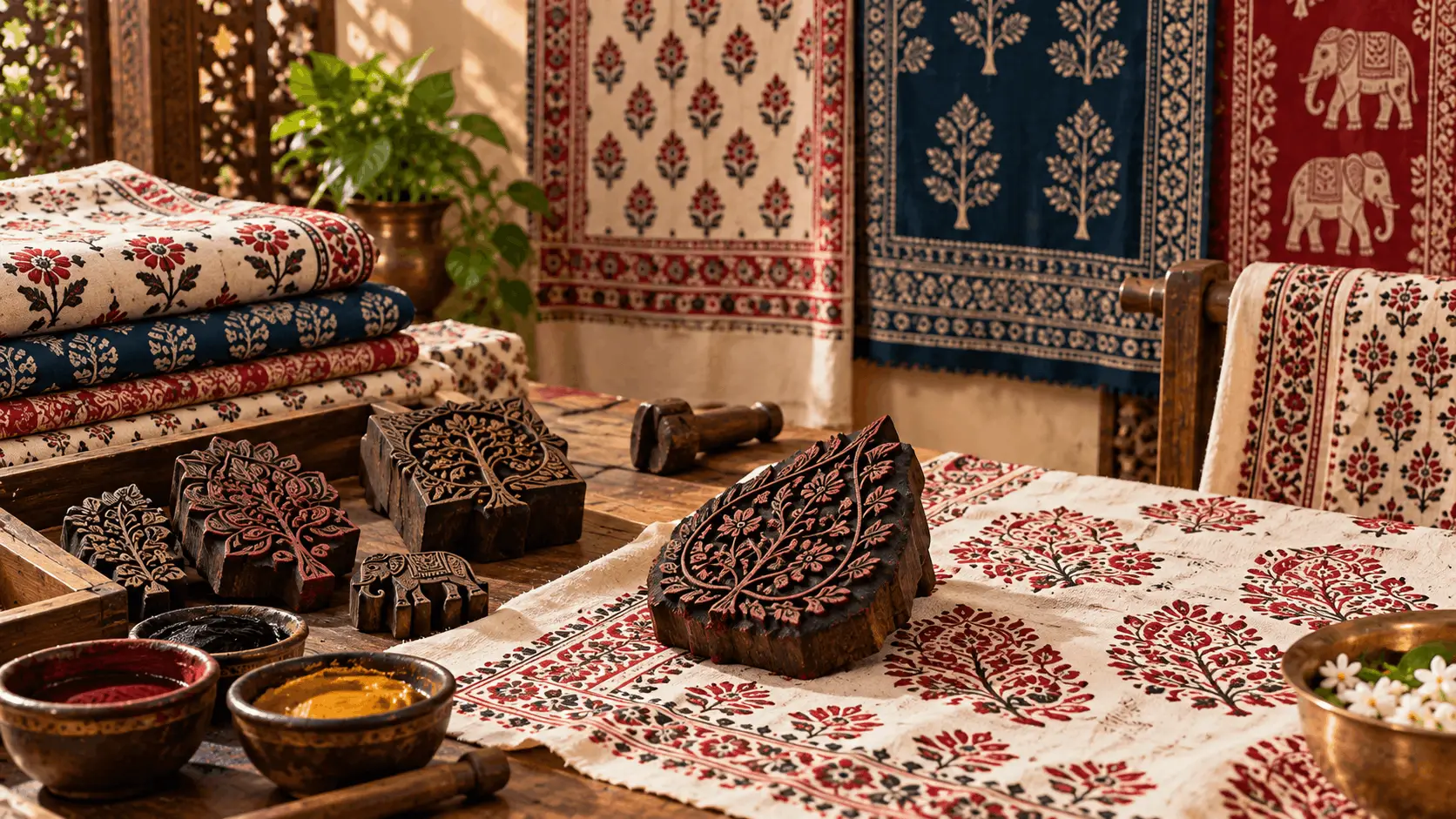
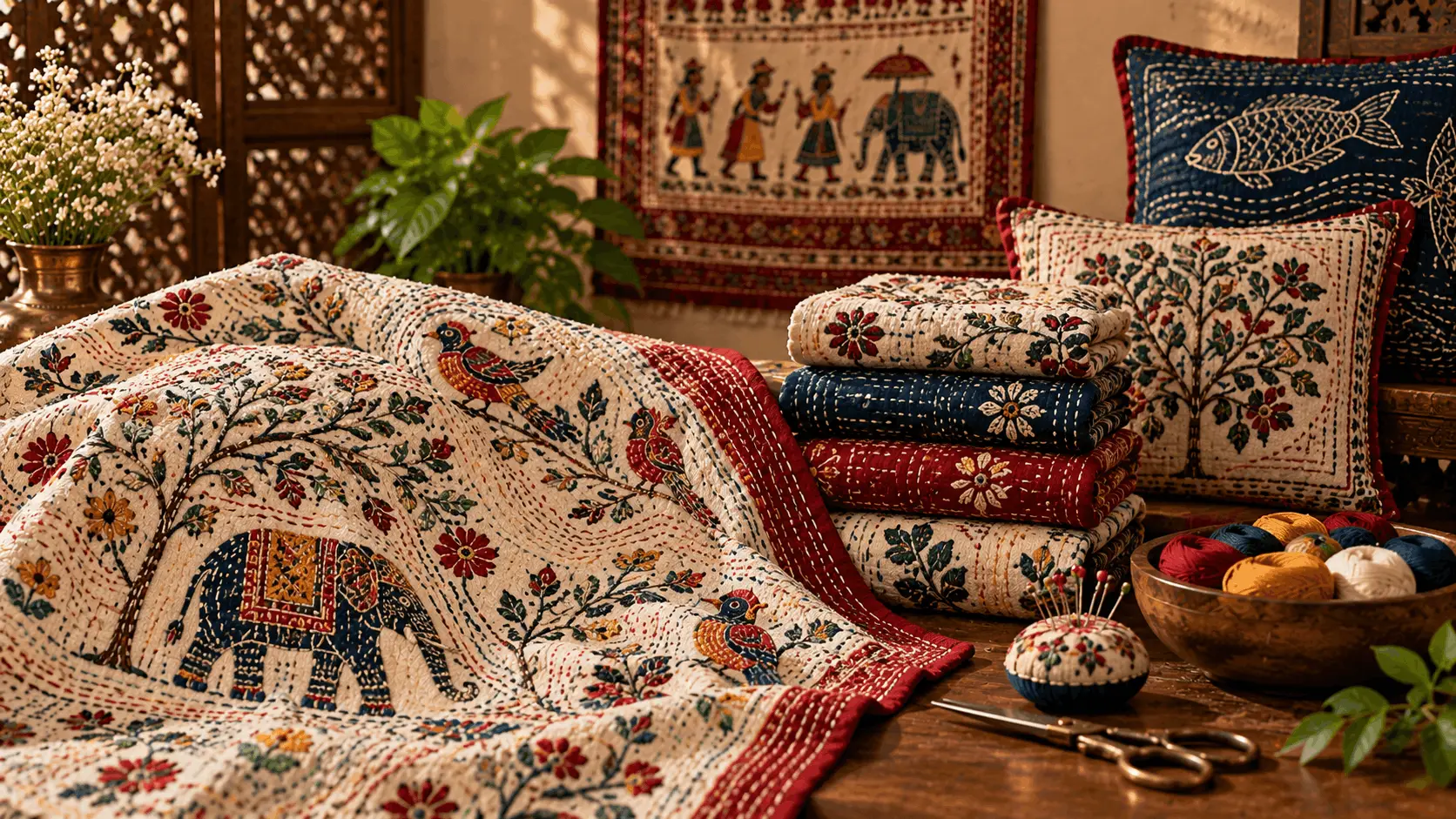
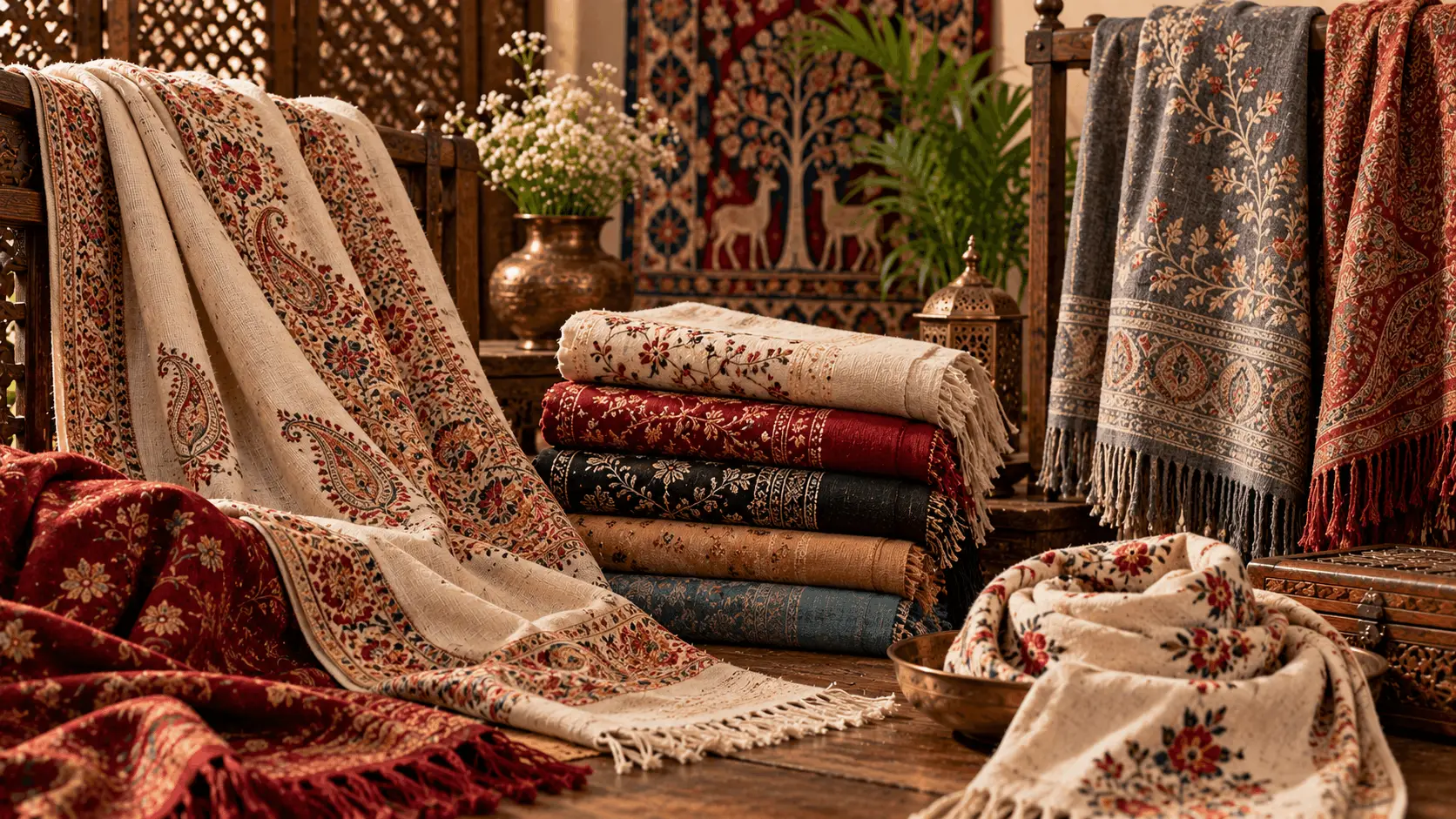
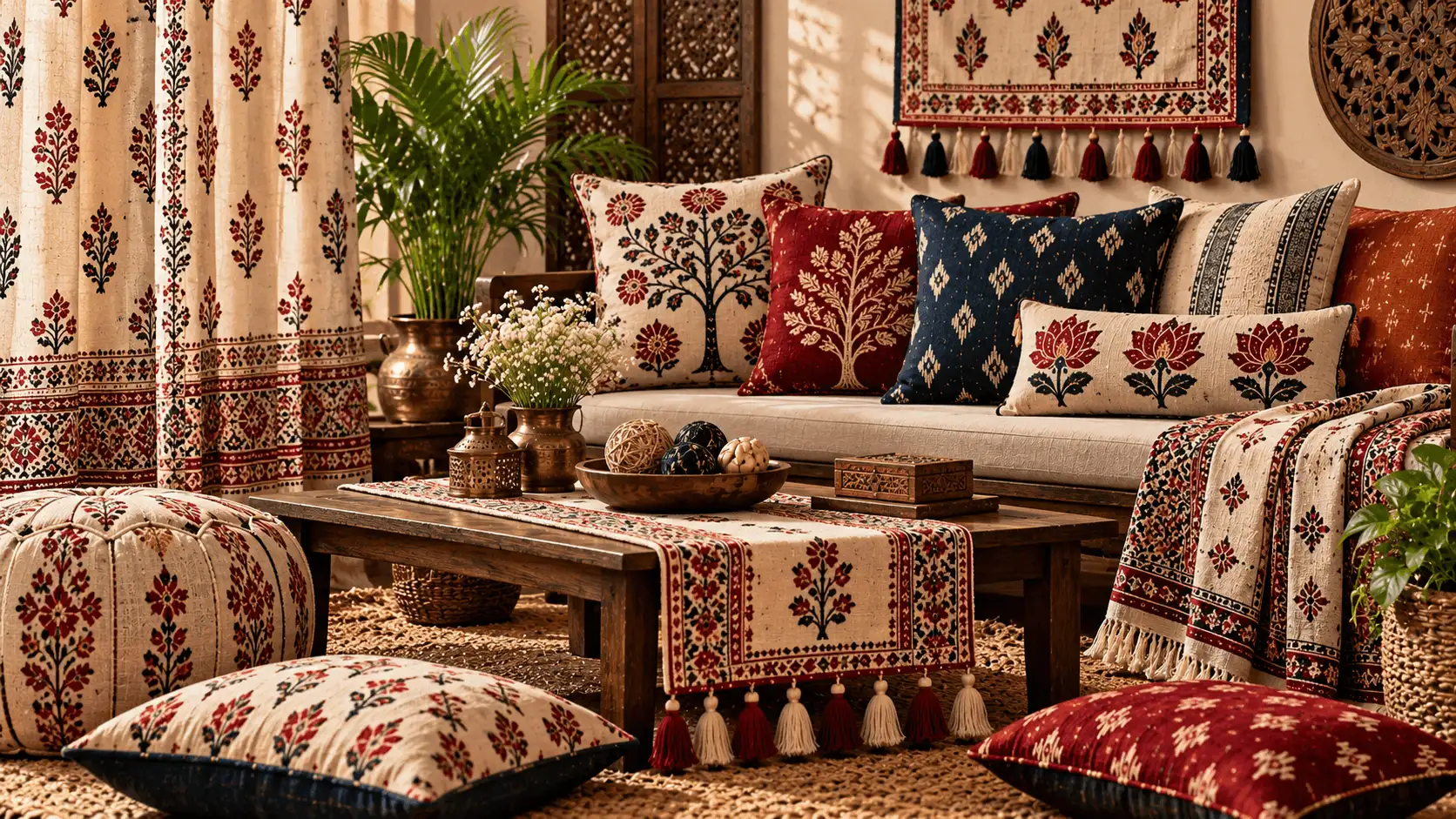
India has a long and varied textile craft tradition. Cotton, silk, wool, jute and other fibres are used in different regions, along with techniques such as weaving, embroidery, hand printing, patchwork and decorative stitching. For an overseas buyer, this opens up a considerable range of products.
What Can Be Made from Textile Crafts?
The answer depends largely on the kind of collection being developed.
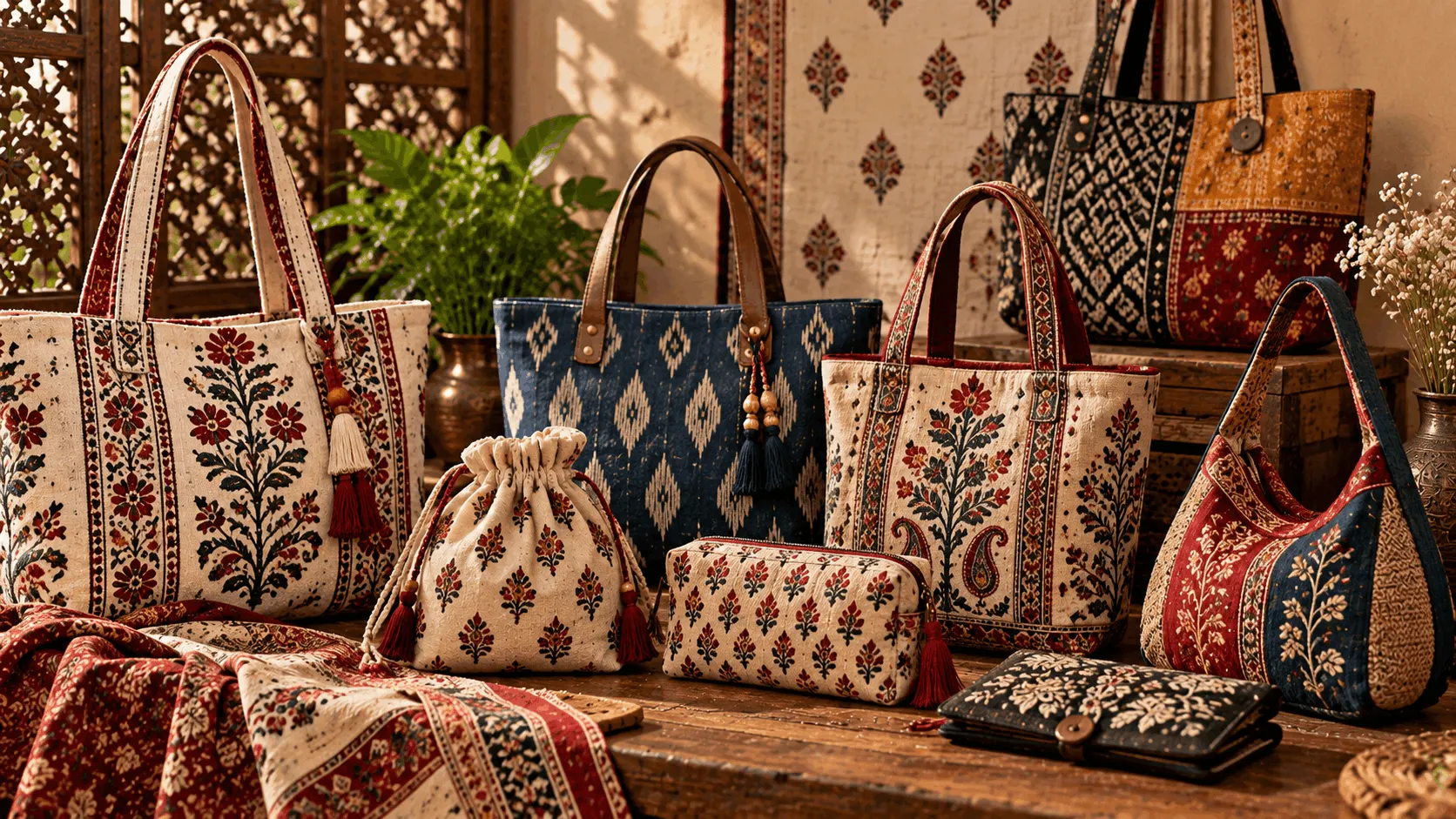
A home décor retailer might look for cushion covers, table runners, throws or decorative textiles. A gift business may prefer smaller embroidered products and accessories. Fashion and lifestyle stores can explore textile bags, scarves, pouches and other useful articles.
There are also products made specifically for hospitality and interior projects. Larger quantities may be required, and the emphasis may be on colour consistency, dimensions and repeat supply rather than individual pieces.
This is why it helps to think about the customer before choosing the product.
Textile Handicrafts Exports from India
The market for textile handicrafts exports from India includes several types of handmade textile products. EPCH export data separately records handprinted textiles, embroidered and crocheted goods and other textile related handicraft categories, showing that these products already have established international markets.
For an importer, though, an established export market is only part of the picture.
The product still has to make sense for the particular business. A heavily embroidered cushion cover may suit a boutique home store but not a retailer looking for simple everyday products. A delicate textile article may look excellent but require more careful packaging. A large textile piece can also affect storage and shipping costs.
The details matter once the product is being bought in quantity.
Colour, Texture and Technique
Textile products are rarely judged by colour alone.
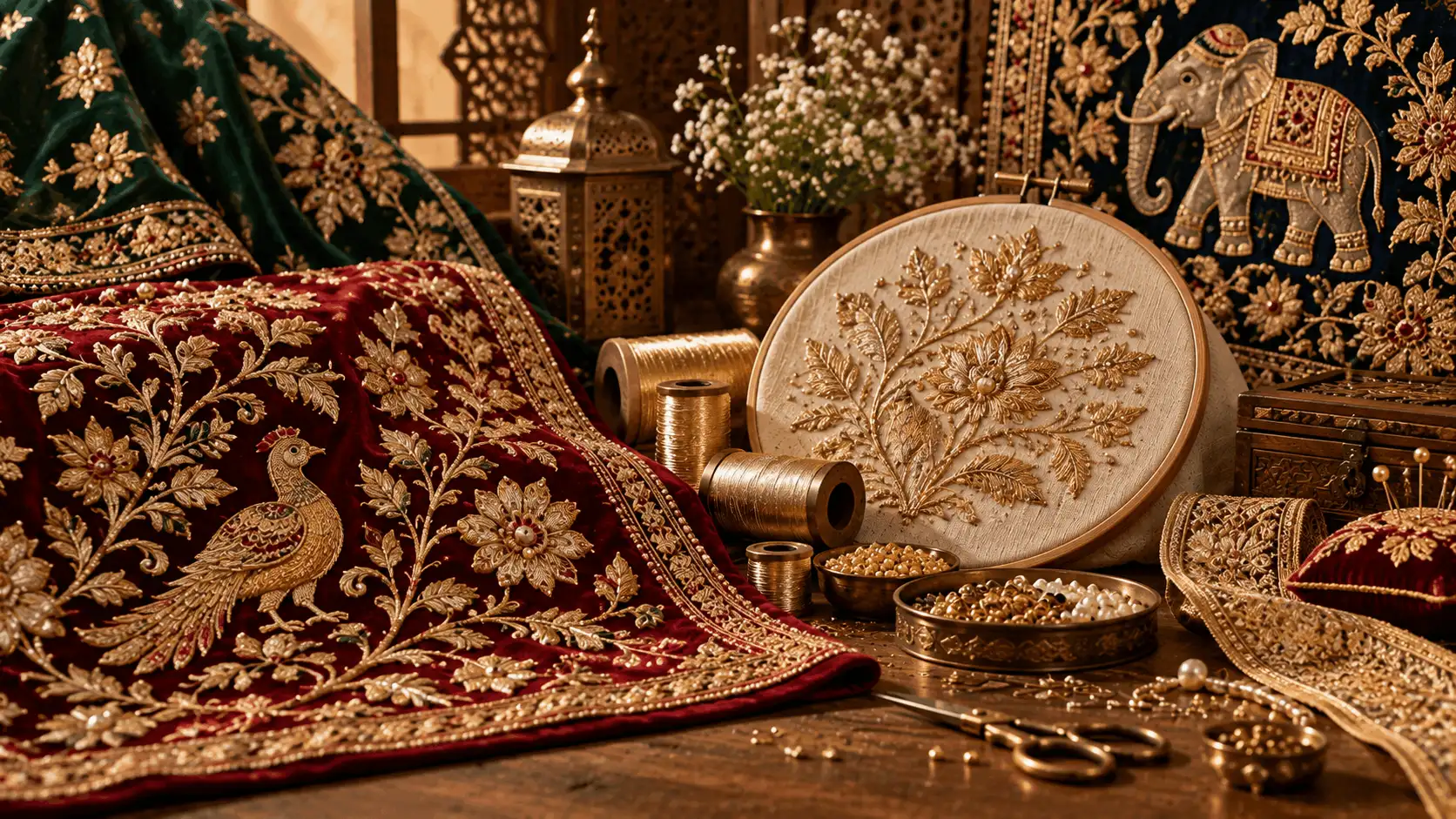
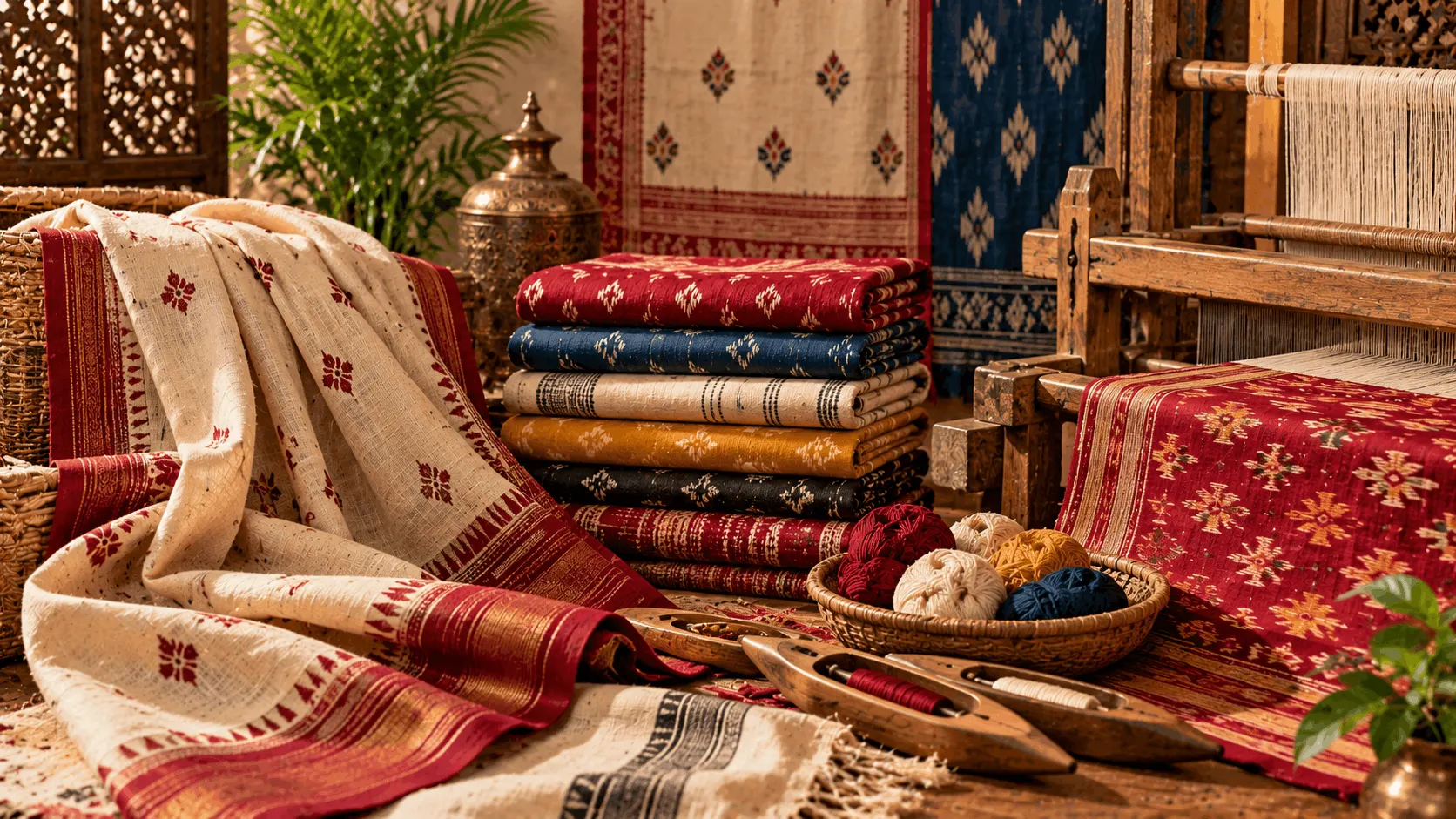
The feel of the fabric matters. So does the way a pattern has been created. Hand embroidery gives a different impression from block printing. Woven patterns have another character altogether. Patchwork and appliqué can make a product feel more decorative without relying on elaborate embellishment.
These differences can help a retailer create a collection that does not look like everything else on the market.
A reference photograph can be particularly useful when discussing a product with an Indian supplier. If there is a particular pattern, colour combination or finish you want, showing an example can reduce confusion during the initial discussion.
Finding Textile Handicrafts Exporters in India
Businesses looking for textile handicrafts exporters in India may already have a product in mind. They may also be trying to develop something new for their customers.
In either case, a few practical details are worth mentioning early. Give the approximate quantity. Explain the intended use. If the dimensions, fabric or colours are already decided, include those too.
If you are still exploring, describe the kind of business you run. A lifestyle store, hotel, fashion retailer and gift wholesaler may all want textile handicrafts, but their buying decisions will not be the same.
A supplier needs that context to understand what sort of product is actually useful.
Textile Products for Retail and Wholesale
A retailer may begin with a relatively small collection and expand it after seeing how customers respond.
Wholesale buyers often work differently. They may need larger quantities, better price consistency and the possibility of placing repeat orders. If the products are successful, being able to obtain another shipment becomes important.
Handmade production naturally allows some variation. Two embroidered pieces may not have every stitch in precisely the same position. Printed or dyed fabrics can also show small differences. These details are not necessarily problems, but expectations should be discussed before production.
Samples Are Worth Seeing
Textiles are particularly difficult to judge from a screen.
A fabric may look thicker or thinner than expected. Colours can appear different depending on the lighting. Embroidery may have more texture than the photograph suggests. A finished product can also feel quite different from what you imagined.
A sample gives the buyer a chance to check these things.
It is especially useful when the order involves custom colours, private branding or a substantial quantity. If something needs changing, it is much easier to discuss the alteration when there is a physical sample in front of both sides.
Packaging and the Journey to the Customer
Textile products may not be fragile in the same way as glass or ceramics, but they still need sensible packing.
Moisture, dust, folding, compression and storage conditions can all matter. The packaging should suit the product rather than simply being treated as a final step before dispatch.
For an importer, freight is another consideration. Bulky textile products can occupy more space than expected even when they are lightweight. Packaging choices can therefore influence the overall landed cost.
A Collection Should Have Some Character
A shop does not need dozens of unrelated textile products.
A smaller collection can sometimes work better if the pieces have something in common. Perhaps the colours belong together. Perhaps the products use a particular craft technique. Maybe the collection is built around a regional influence.
The result can feel considered rather than simply assembled from whatever products happen to be available.
Trade Horizon helps international businesses explore textile handicraft sourcing from India according to their product requirements, quantities and destination markets. You can approach us with a particular product, a reference photograph or an idea for the collection you want to develop.
FAQs
What types of textile handicrafts can be sourced from India?
The range can include embroidered products, handprinted textiles, woven articles, cushion covers, table textiles, bags, scarves, pouches, decorative fabrics and other handmade textile products. The available selection depends on the craft and supplier.
Are textile handicrafts from India exported internationally?
Yes. Indian textile based handicrafts are sold in international markets, with handprinted textiles and embroidered and crocheted goods appearing as established handicraft export categories in EPCH data.
Can I buy Indian textile handicrafts in wholesale quantities?
Yes. Wholesale quantities can be discussed according to the product and supplier. Providing an approximate quantity at the beginning is helpful because production capacity and minimum quantities can vary.
Can I request a sample before placing a larger order?
A sample can often be requested, depending on the product and supplier. It allows you to check the fabric, colour, workmanship, dimensions and overall appearance before confirming a larger purchase.
Can textile handicrafts be customised?
Some products can be made according to specific requirements. Depending on the item, this may include fabric, dimensions, colours, embroidery, printing, packaging or branding.
What should I consider when importing textile handicrafts?
Consider the material, dimensions, packaging, freight cost and destination market requirements. It is also useful to think about storage and the final selling price before confirming a product.
Will handmade textile products be exactly identical?
Not always. Handmade embroidery, printing, weaving and other processes can result in small differences between individual pieces. If close consistency is important, acceptable variation should be discussed before production.
How can I start sourcing textile handicrafts from India?
You can begin with a product photograph, a description or an idea for a collection. Mentioning the approximate quantity and destination market will make the enquiry more useful. Trade Horizon helps international buyers explore suitable Indian textile handicraft sourcing possibilities based on their requirements.