Natural Fibre Handicrafts Exports from India | Natural Fibre Handicraft Exporters: Trade Horizon
There is something appealing about a basket made from jute or a mat woven from natural fibre. You can see the material. You can see the work that has gone into shaping it. It does not have the perfectly uniform appearance of a factory made plastic product, and that difference is often exactly what makes it attractive.
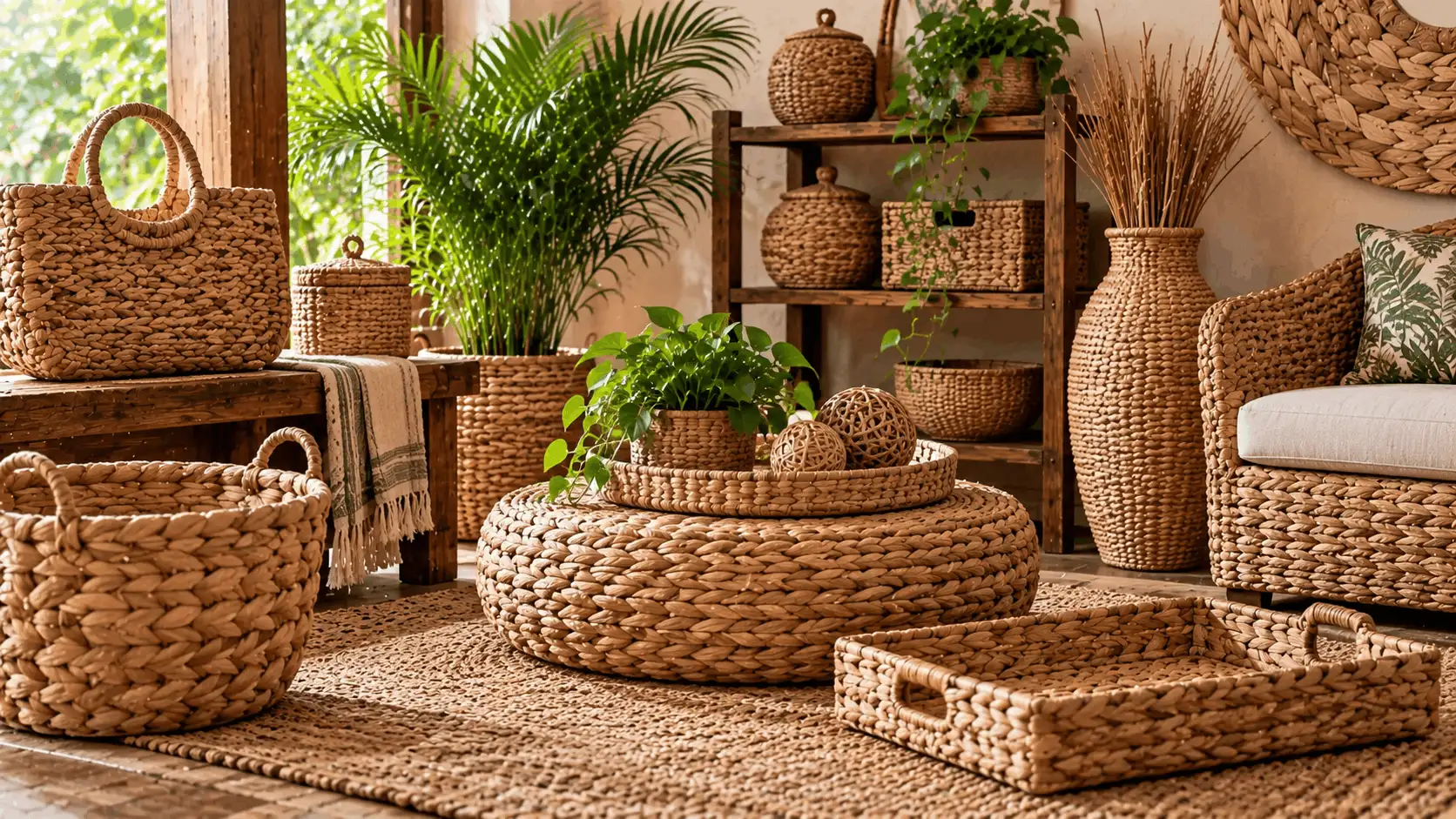
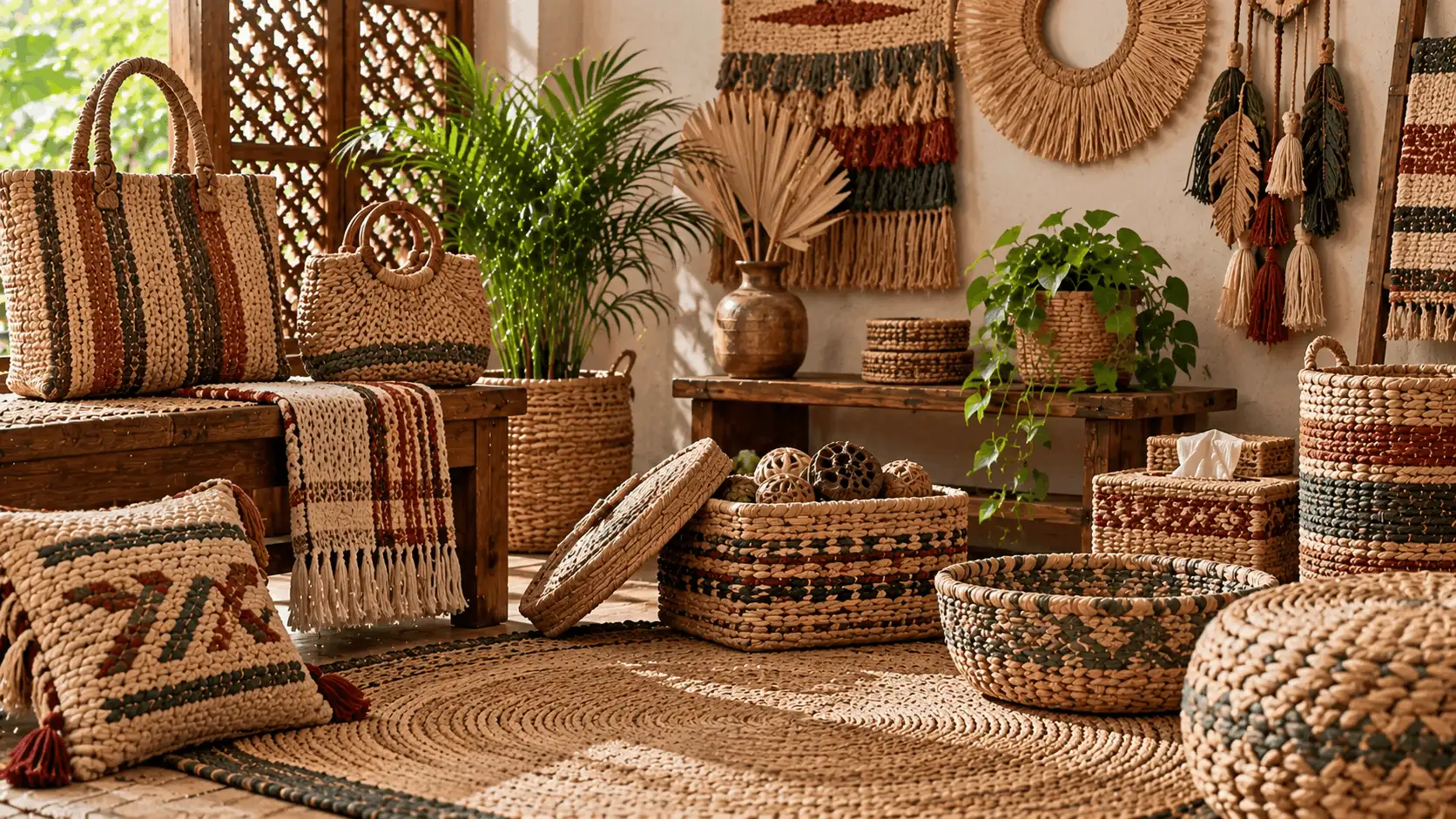
Natural fibre products have become useful additions to home décor shops, lifestyle stores, gift collections and hospitality spaces. They can be practical articles, decorative pieces or a mixture of the two.
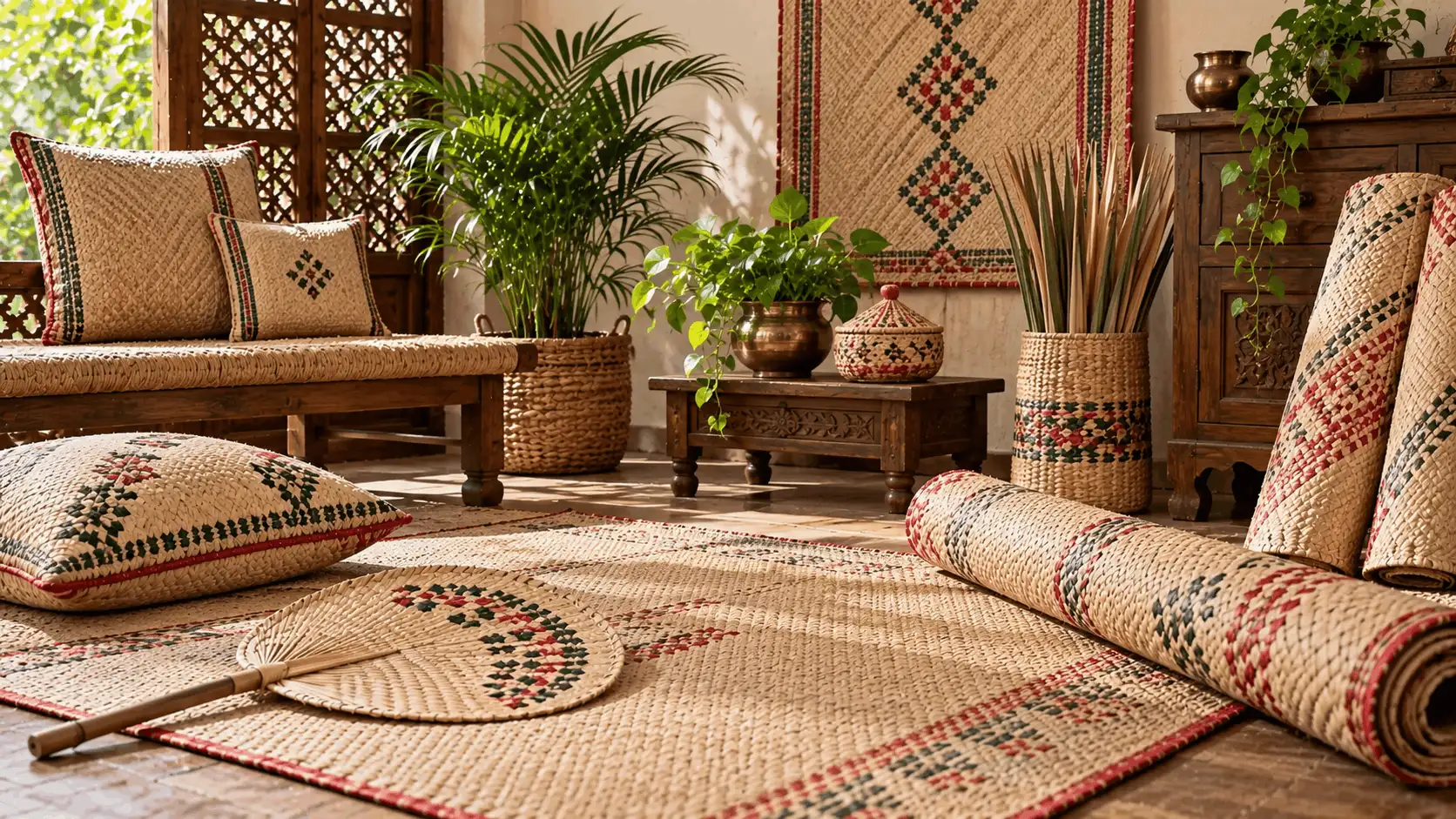
India has many craft communities working with plant based materials. Jute, coir, bamboo, banana fibre and sabai grass are used in different parts of the country. The finished products vary considerably, from everyday baskets and mats to decorative articles designed for modern interiors.
For an international buyer, there is plenty to explore.
From a Basket to a Home Décor Collection
A basket might be used for storing blankets. It might hold laundry. It could sit beside a sofa with magazines inside. The same basic idea can also become a decorative planter cover or an attractive display piece.
That versatility is useful to a retailer.
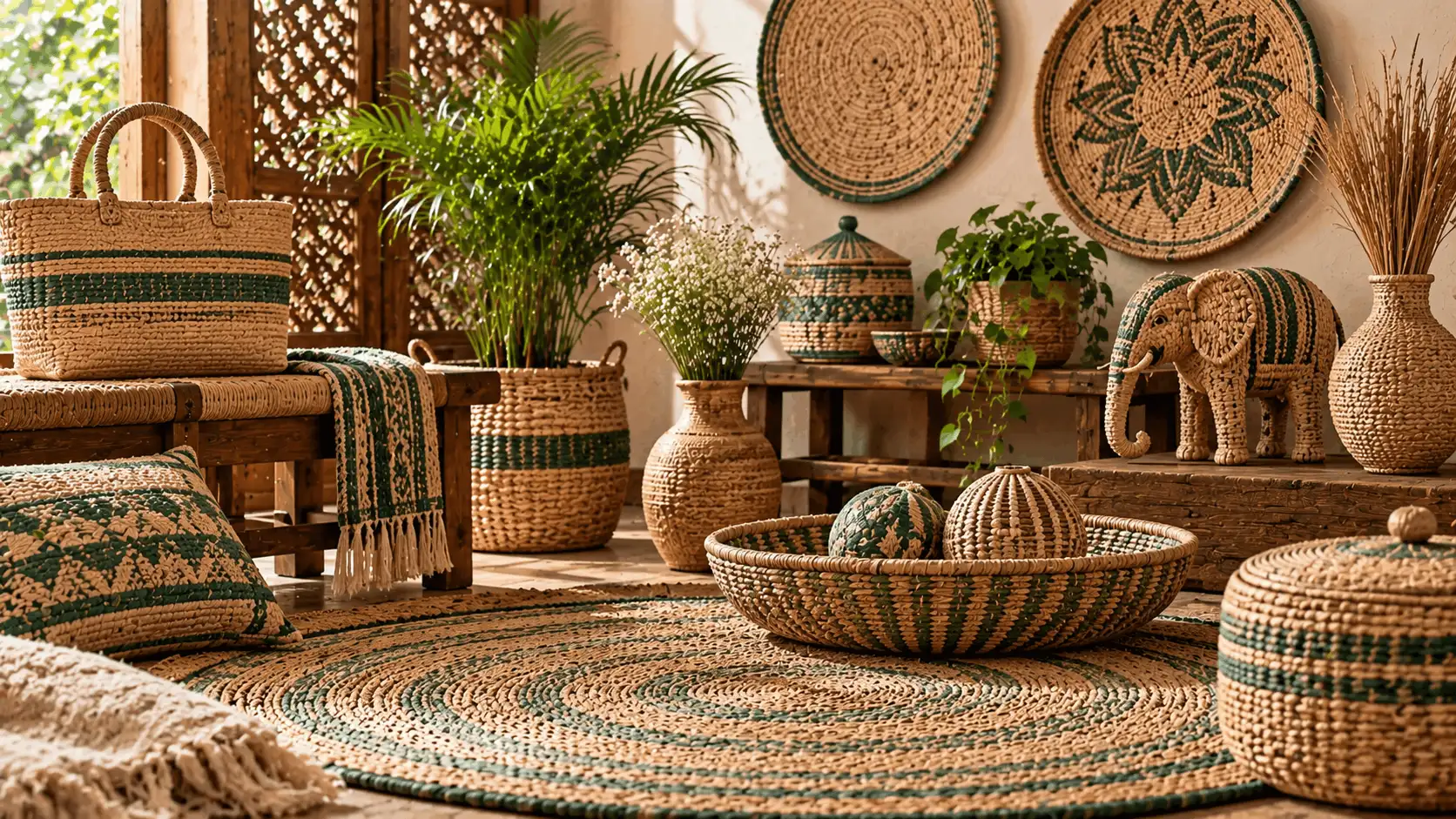
A store selling home accessories can bring several types of natural fibre products together without making the collection feel repetitive. Baskets can be combined with trays, mats, table accessories and decorative pieces. Smaller articles can provide lower priced options, while larger products can occupy a more premium part of the range.
The important thing is to choose products that have a reason to be there.
The Fibre Makes a Difference
Natural fibre is not one material.
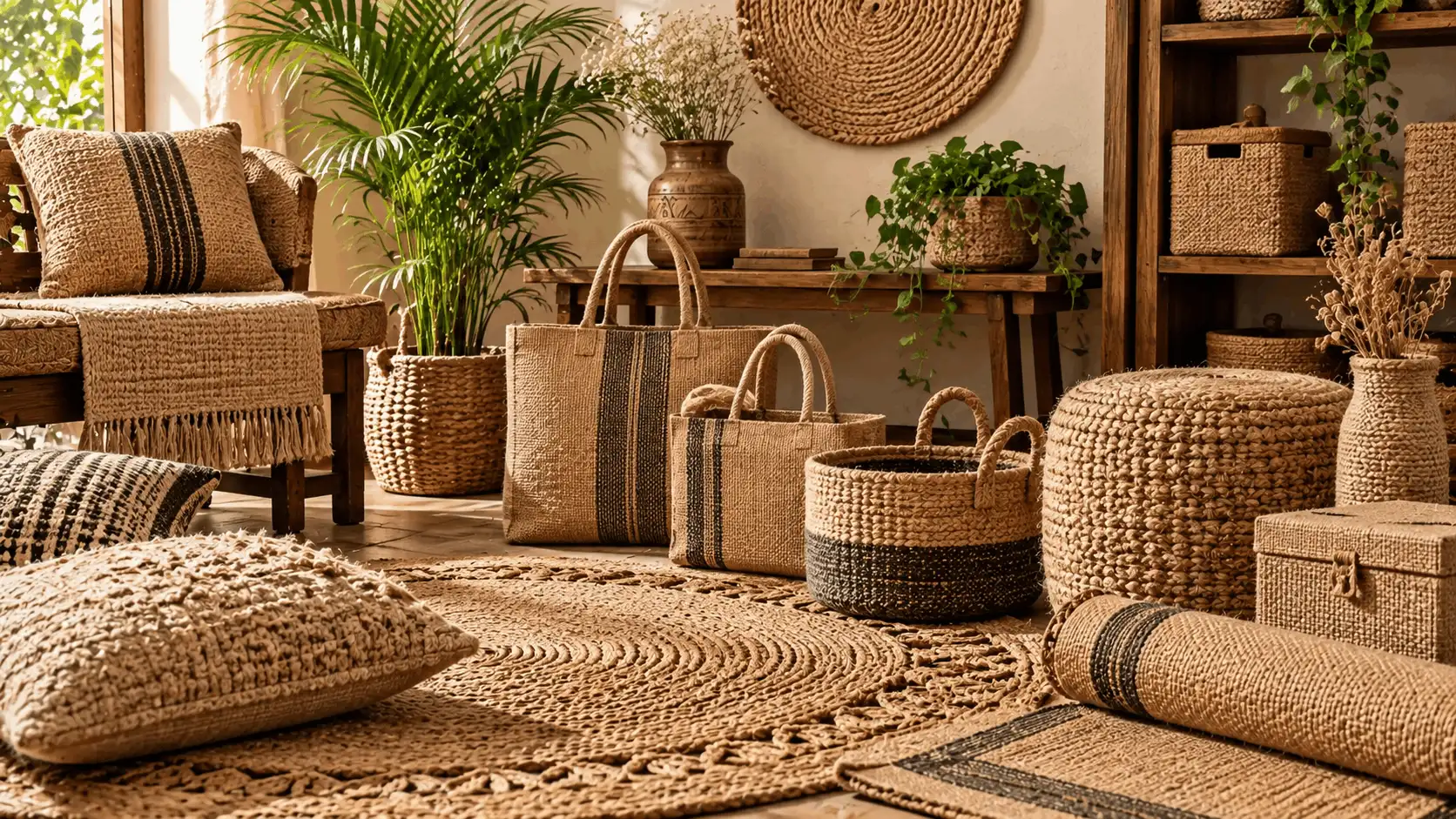
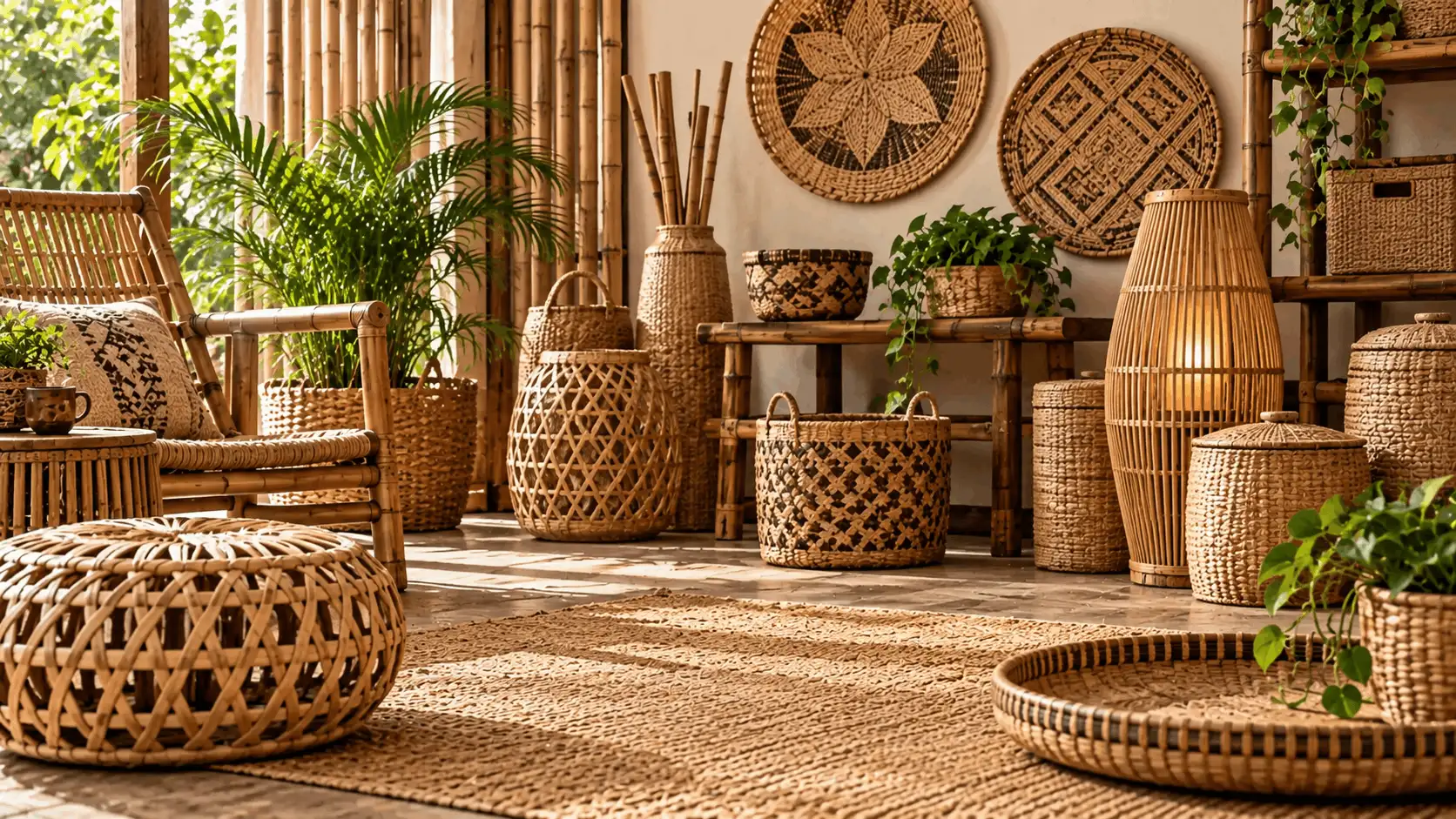
Jute has a recognisable texture and is widely associated with bags, mats, baskets and other woven products. Coir has a different feel and is particularly useful in products where a tougher fibre is appropriate. Bamboo can be split, shaped and woven into a wide range of articles.
Then there are fibres such as banana fibre and sabai grass, which bring their own characteristics to handmade products.
A buyer should therefore ask about the actual material rather than simply describing something as a natural fibre product. The choice affects appearance, texture, strength, weight and sometimes the way the product should be stored.
Natural Fibre Handicrafts Exports from India
India has an established craft tradition based around natural materials, and products made from these fibres have found markets outside the country.
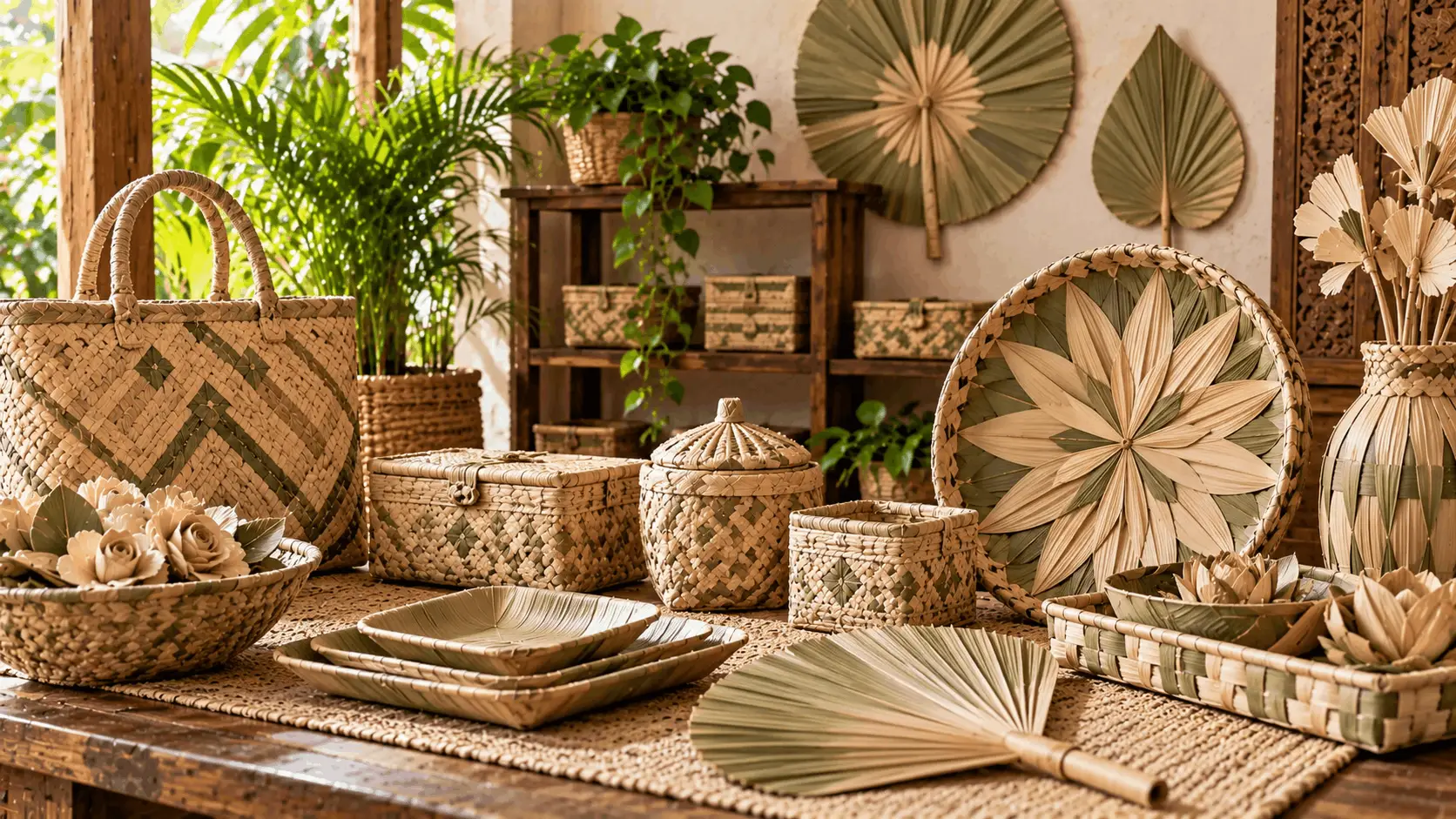
The market for natural fibre handicrafts exports from India covers a fairly broad group of handmade articles. Baskets, mats, bags, storage products, decorative pieces and household accessories can all be found within the wider category.
There is also a significant export industry around coir. According to the Coir Board, India exported coir and coir products worth more than ₹6,600 crore during 2025 to 2026.
For an overseas buyer, the existence of an export market provides useful reassurance. The more immediate question, though, is whether the particular product fits the business.
A Product Has to Work in the Shop
Natural materials can make a product interesting, but customers still have to find a use for it.
A storage basket needs to be a sensible size. A tray needs to be comfortable to handle. A mat needs to suit the space where it will be placed. If a product is decorative, its shape and finish need to justify the space it occupies in a store.
This is why product selection should be connected to the way customers shop.
A gift retailer may prefer smaller pieces that are easy to display and carry home. A homeware business may have room for larger baskets and storage articles. An online seller will probably pay more attention to dimensions, weight and packing.
Finding Natural Fibre Handicrafts Exporters in India
When looking for natural fibre handicrafts exporters in India, some buyers start with a finished idea.
They may have seen a basket they like and want a similar article in another size. They may have a particular weave, colour or material in mind. A photograph can be very helpful in such cases.
There are also buyers who are still putting their collection together.
If that is the situation, explain what you sell and who your customers are. A supplier can understand a request for “natural fibre baskets for a home décor collection” much better when the intended market and approximate quantity are also known.
The quantity can make a considerable difference to the sourcing discussion.
Natural Fibre Products for Hotels and Interiors
These products are not limited to retail shelves.
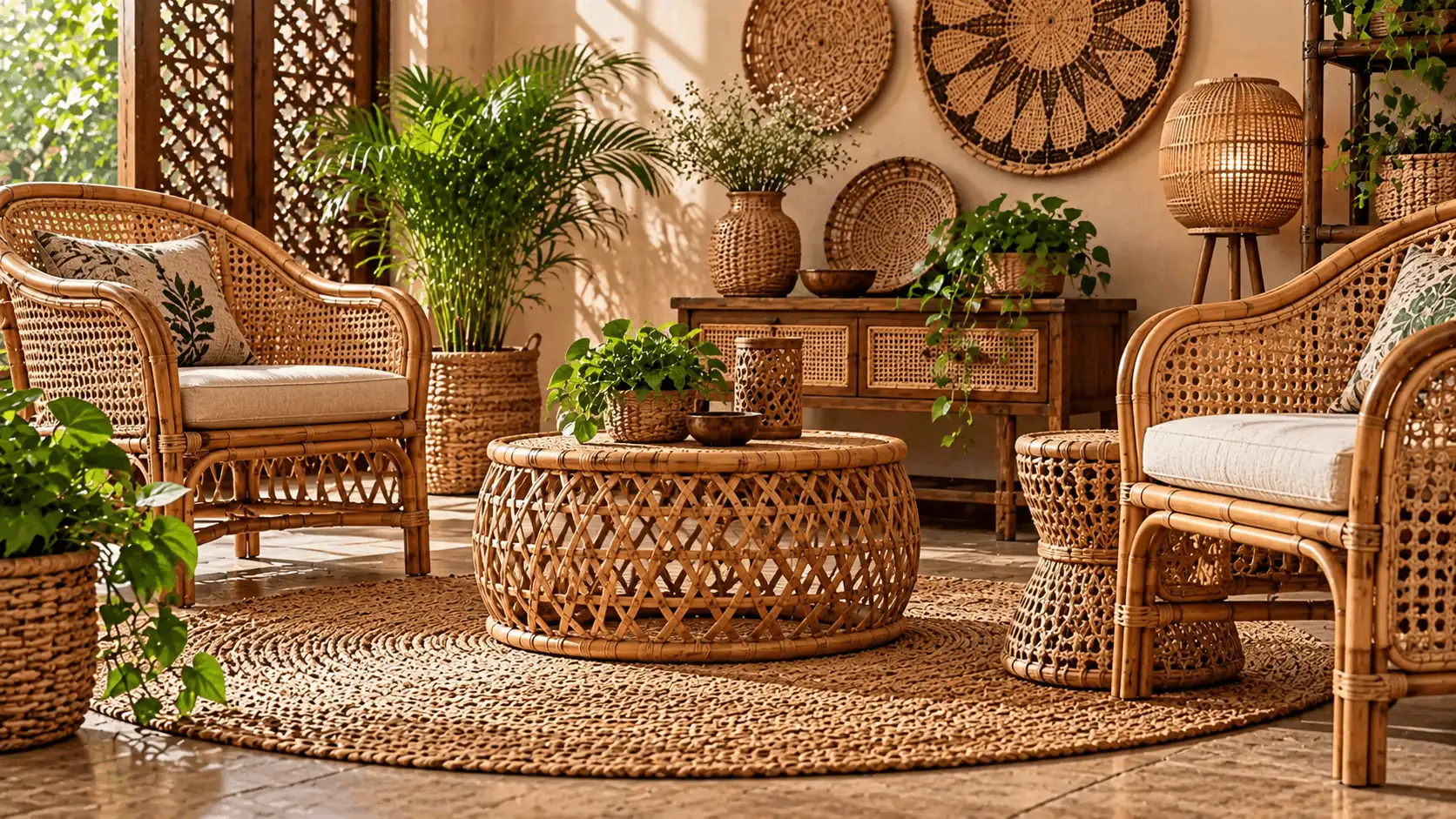
Hotels and resorts often use baskets, trays, mats and decorative pieces as part of their interiors. Restaurants and cafés can use natural materials to create a particular atmosphere. Interior designers may require several coordinated products for a single project.
The requirements become more specific in these situations.
A hotel may need dozens of identical or closely matching pieces. An interior project may require a particular size. A restaurant may need products that can withstand frequent handling.
These are details worth discussing before production begins.
Samples Are Particularly Useful
Natural fibre products are surprisingly difficult to judge from photographs.
The weave may look tighter on screen than it actually is. A basket can appear larger because of the way it has been photographed. The colour of an untreated fibre can also look different under various lighting conditions.
A sample provides a much better reference.
You can check the dimensions, texture, construction and finish yourself. If the product is going to be ordered in quantity, this small step can prevent considerable misunderstanding later.
For customised products, it also gives both sides something specific to discuss.
Packaging Can Affect the Cost
One thing that is easy to overlook is the space these products occupy.
A lightweight basket does not necessarily make a small shipment. Large baskets and similar articles can take up considerable room unless they can be nested. Irregular shapes may also require more careful packing.
That affects freight.
For an importer, the product price should therefore never be considered in isolation. Packaging, shipping and other import expenses can change the final landed cost quite substantially.
A product that looks attractive at the supplier's price still has to work at the buyer's final cost.
Think About the Collection as a Whole
A natural fibre range often looks stronger when there is some connection between the products.
The connection could be the material. It could be a particular weave or colour. It might simply be a common design approach.
For example, a homeware retailer could combine storage baskets with trays and table accessories. A resort could choose natural fibre products that complement wood, stone and other natural finishes.
There is no need to fill an entire catalogue.
A carefully selected group of products can be easier to present, easier to manage and easier for customers to understand.
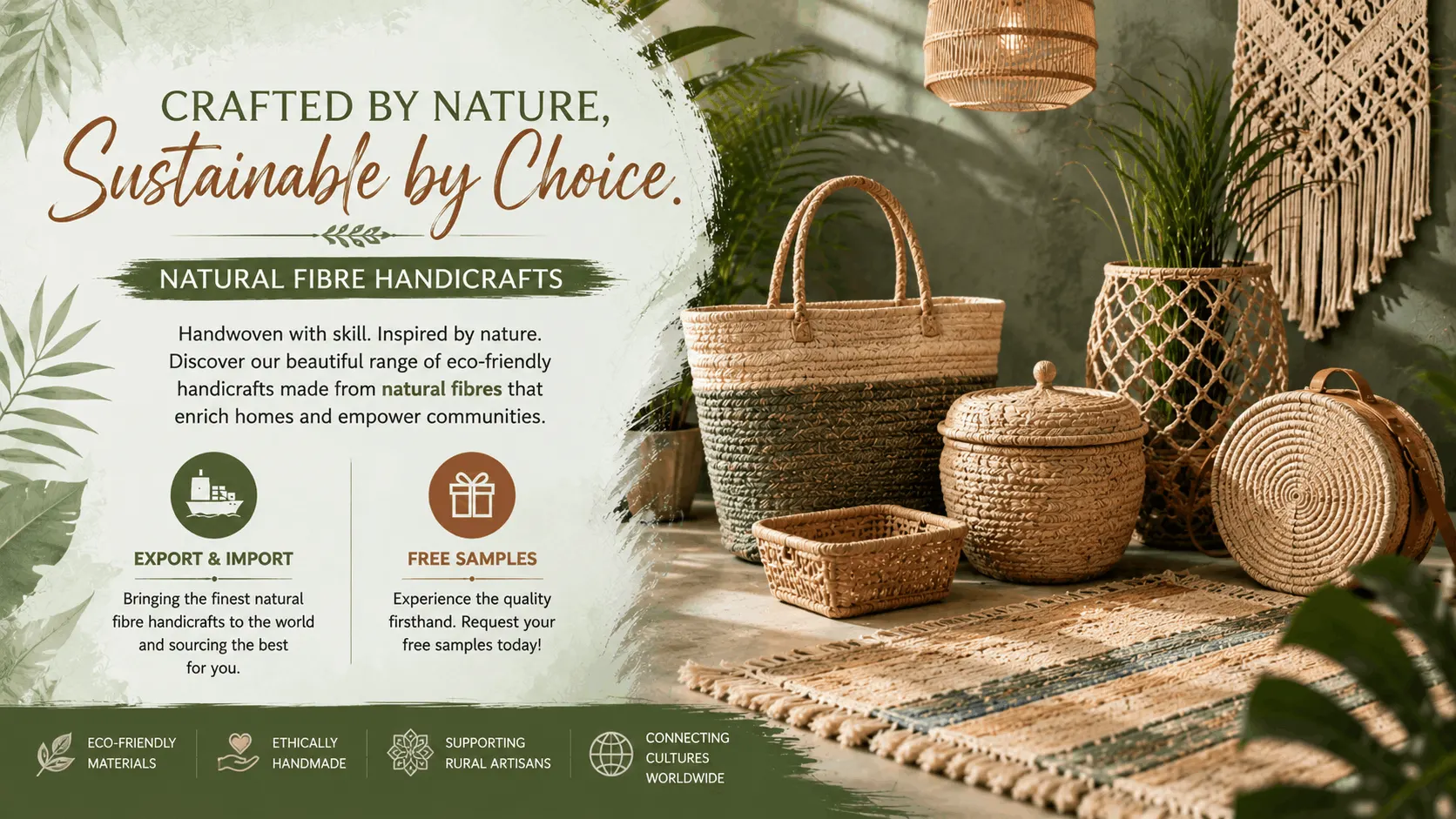
Trade Horizon helps international businesses explore natural fibre handicrafts from India according to their product requirements, quantities and destination markets. You can contact us with a photograph, an existing specification, a preferred material or even a general idea of the products you would like to source.
FAQs
What are natural fibre handicrafts?
Natural fibre handicrafts are handmade products created using fibres obtained from plants or other natural sources. In India, materials such as jute, coir, bamboo, banana fibre and sabai grass are used for different types of craft products.
Which natural fibre products can I source from India?
Depending on the supplier, the range can include baskets, bags, mats, trays, storage articles, planters, rugs, decorative pieces and other household products. Products vary according to the material and craft tradition.
Are natural fibre handicrafts exported from India?
Yes. India has established international trade in several fibre based products. Natural fibre handicrafts form part of the wider Indian handicraft sector, while products made from coir and other fibres are also exported to overseas markets.
Can I buy natural fibre handicrafts in wholesale quantities?
Yes. Wholesale requirements can be discussed for retailers, distributors, hotels, interior businesses and other commercial buyers. The expected quantity is useful information when making an enquiry.
Can natural fibre products be made to my specifications?
Some products can be customised, depending on the material and supplier. Requirements may include size, shape, colour, weave, finishing, packaging and branding.
Should I order a sample before placing a large order?
It is generally sensible to examine a sample when one is available. A sample allows you to check the actual material, dimensions, workmanship, texture and finish rather than relying only on photographs.
Are natural fibre handicrafts suitable for home décor stores?
They can work particularly well in home décor and lifestyle collections because many products combine practical use with visual appeal. The best choices will depend on the store, customer base and intended price range.
What should I consider before importing natural fibre products?
Look at the material, dimensions, construction, weight and packaging. Storage and shipping space are also important, particularly for large baskets and irregularly shaped articles. Calculate the complete landed cost before deciding on the final selling price.
How do I start sourcing natural fibre handicrafts from India?
You can start with a photograph, product description or specific requirement. If you know the material, dimensions and approximate quantity, include those details. If you are still developing the range, information about your business and target market can help guide the sourcing discussion.